


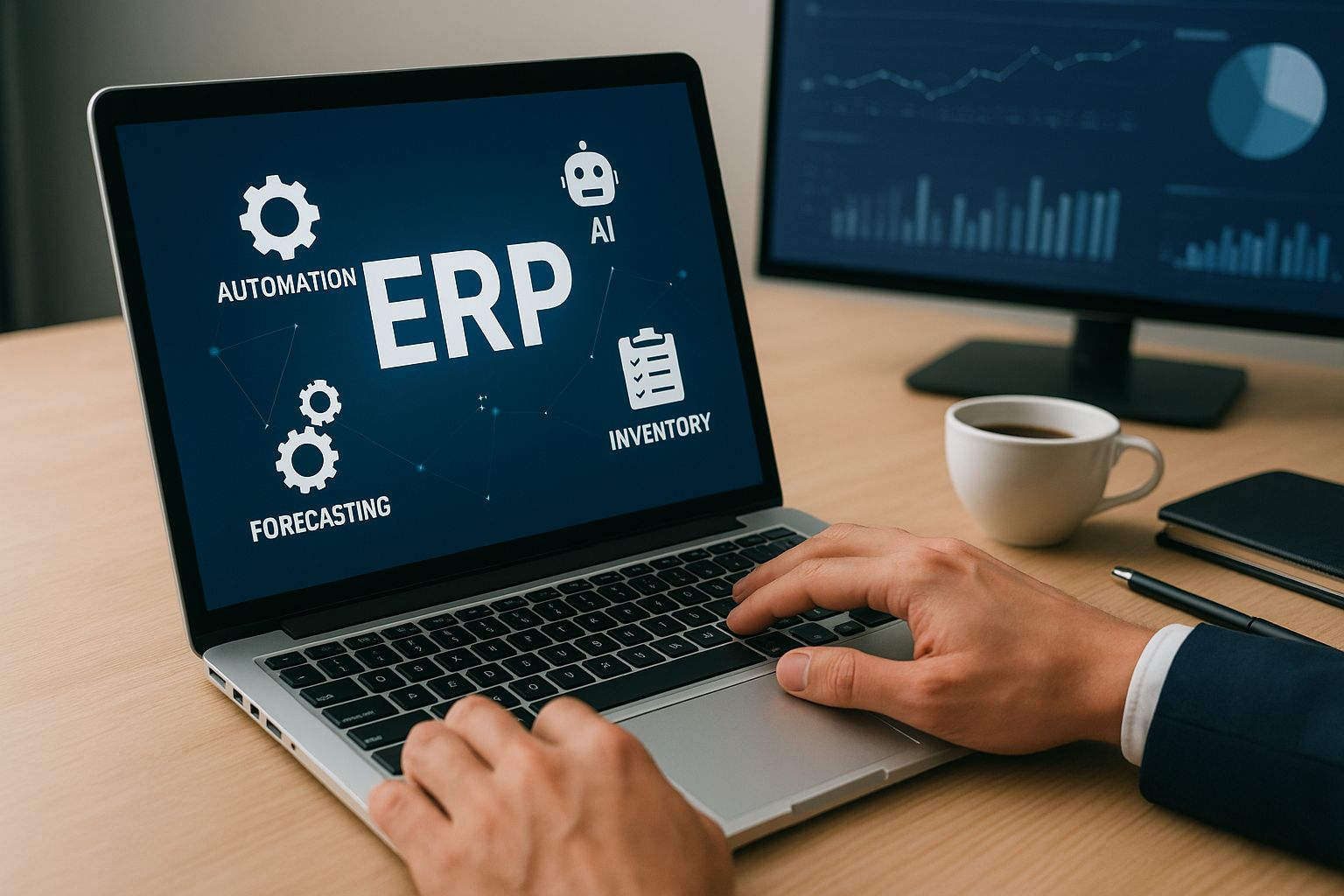
Enterprise Resource Planning (ERP) systems continue to evolve as businesses strive to gain operational efficiency and harness technological advancements. In the latest wave of developments, automation and AI integration emerge as pivotal trends reshaping the landscape.
The incorporation of automation within ERP systems presents an opportunity for companies to reduce manual intervention and streamline processes. Automation not only enhances efficiency but also supports accuracy, thereby reducing the likelihood of human error. By adopting automation-friendly ERPs, organizations experience faster data processing and optimized workflows.
AI integration within ERP systems is another transformative shift. Artificial Intelligence brings predictive capabilities, assisting firms in better forecasting and strategic planning. Such insights support companies in inventory management, financial forecasting, and customer relationship management, thus reinforcing their competitive advantage.
A pertinent example of automation and AI’s impact on ERP systems is illustrated by a leading retail chain leveraging these technologies. By implementing an AI-powered ERP, the company enhanced its inventory management, reducing overstock and stockouts by predictive analytics. Consequently, the organization witnessed a significant rise in customer satisfaction and financial performance.
Alongside automation and AI, a move towards cloud-based ERP systems is evident. Cloud solutions offer scalability and flexibility unparalleled by traditional on-premise solutions, making them attractive for businesses looking to scale rapidly or operate in diverse geographical locations. With robust security protocols, cloud ERPs ensure data integrity while offering access from anywhere with an internet connection.
The future of ERP systems hinges upon embracing these technological advancements. As businesses increasingly rely on real-time data and analytics, the demand for advanced ERP systems incorporating automation, AI, and cloud solutions will only intensify.
Companies aiming to adopt these modern ERP trends must carefully assess their business requirements and strategic goals. The adaptability of ERP solutions to an enterprise’s unique processes and workflows is paramount to maximizing the benefits of the latest technological innovations.
In conclusion, as ERP systems continue to integrate automation and AI, the transformative impact on businesses is undeniable. Organizations that remain at the forefront of these trends will not only optimize their operations but also position themselves well within their respective industries.

