


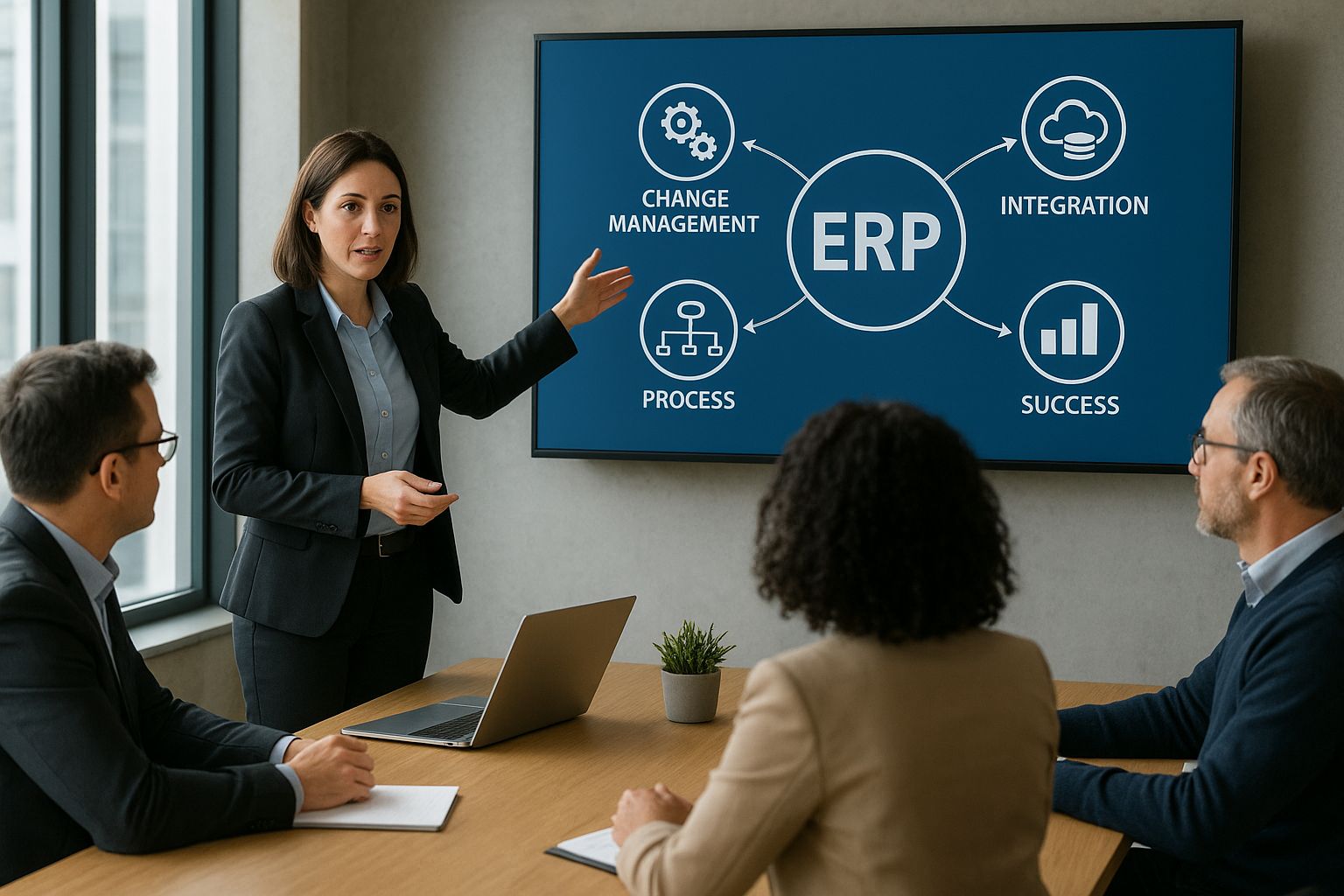
In recent years, the landscape of Enterprise Resource Planning (ERP) implementation has significantly evolved, driven by the growing complexity of business operations and ever-increasing data integration demands. As organizations seek to maximize efficiency and competitiveness, adopting sophisticated ERP systems has shifted from a tactical decision to a strategic necessity. This transformation underscores an emerging trend: the vital role of change management in successful ERP integration.
Change management is no longer the peripheral concern it once was. With ERP systems becoming central to operational and strategic business processes, the discipline of managing change has become an integral part of ERP implementation. As businesses adopt new technologies, they face the challenge of aligning these tools with existing workflows and culture. As such, change management now dictates the success of the ERP journey by focusing on people-centric strategies that foster acceptance and minimize resistance.
A current trend in ERP change management is the emphasis on comprehensive staff training programs. Businesses are recognizing the need to invest in extensive user education as part of their implementation strategy. These training programs are tailored to various levels of users, ensuring that all employees—from executives down to entry-level workers—possess a clear understanding of the new system’s functionalities and capabilities. This initiative not only facilitates smoother transitions by fostering a culture of digital fluency but also mitigates the risks of stalled adoption and productivity disruptions.
Another notable trend is the incorporation of continuous feedback loops during the implementation process. Modern ERP systems are not static entities; they require constant updates and improvements. By establishing an iterative feedback mechanism, organizations can adapt the ERP to fit their evolving needs better. This approach enables real-time troubleshooting, user-driven innovation, and steady optimization, making the ERP deployment more resilient and responsive to change.
Furthermore, the cultural component of change management is receiving unprecedented attention. Organizations are actively working on building a change-ready culture by promoting open communication and inclusivity. Leadership involvement plays a crucial role in this aspect, as effective leaders model adaptive behaviors and encourage employees to embrace change, view it as an opportunity, and understand its strategic purpose.
Real-life business cases highlight these trends effectively. For instance, a multinational manufacturing corporation recently revised its ERP rollout by emphasizing change management from the outset. This approach, which involved intensive cross-departmental collaboration and transparent communication, resulted in a 30% increase in system adoption rates compared to previous deployments.
As we advance through 2023, it is clear that change management will continue to drive ERP implementation success. By focusing on human factors, integrating robust training programs, and maintaining flexible, adaptive methodologies, companies can unlock the full potential of their ERP systems and, by extension, reinforce their competitive edge.

