


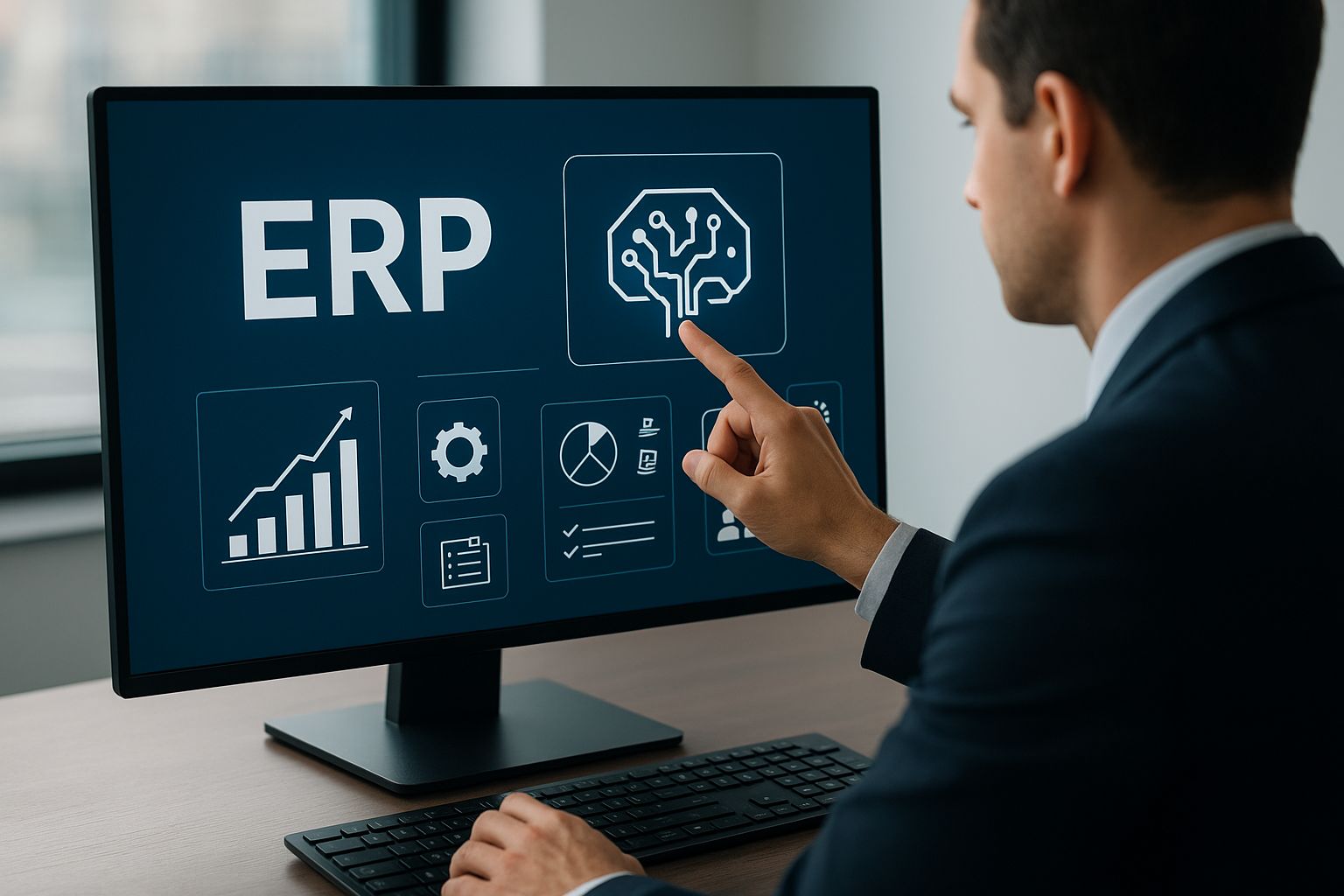
In recent years, Artificial Intelligence (AI) has become increasingly integral to the evolution of Enterprise Resource Planning (ERP) systems. The incorporation of AI-driven capabilities within ERP solutions is revolutionizing how enterprises manage a myriad of business processes, from supply chain operations to customer relationship management.
Traditionally, ERP systems have served as the backbone of organizational processes, helping businesses manage accounts, human resources, inventory, and other core operations. However, the integration of AI is transforming ERP systems into more than just centralized data systems. Now, they provide powerful insights, predictive analytics, and data-driven recommendations, acting as a strategic partner in decision-making processes.
One major trend is the use of AI for enhancing predictive analytics within ERP systems. By leveraging machine learning algorithms, businesses are able to forecast demand, predict inventory levels, and anticipate market changes with greater accuracy. For example, leading automotive companies are using AI-infused ERP to optimize their supply chains, ensuring that they can accurately predict and produce the right amount of inventory needed in real-time.
Furthermore, AI-powered ERP systems are automating routine processes, which significantly improves operational efficiency. Tasks that were once manually intensive, such as data entry, invoice processing, and customer support, can now be streamlined through intelligent automation. This shift not only reduces human error but also allows skilled professionals to focus on more strategic activities, thereby enhancing business productivity.
Moreover, the use of AI in ERP systems is facilitating stronger, more detailed customer insights. By analyzing customer data and behavior patterns, organizations can personalize experiences and tailor services to meet specific demands, consequently improving customer satisfaction and loyalty.
Despite these advantages, integrating AI into ERP systems is not without challenges. Businesses must contend with data privacy concerns, integration complexities with existing IT systems, and the need for robust training programs to ensure employees are proficient in utilizing advanced ERP functionalities. However, as AI technology continues to mature, these barriers are gradually diminishing, paving the way for more widespread adoption.
In conclusion, the integration of AI within ERP systems is reshaping the landscape of enterprise resource management. Organizations that embrace this technological evolution are better equipped to adapt to market changes, drive innovation, and achieve competitive advantage. As AI continues to redefine ERP capabilities, businesses are poised to unlock new levels of efficiency and insights, ultimately transforming how they operate and thrive in an increasingly digital world.

