


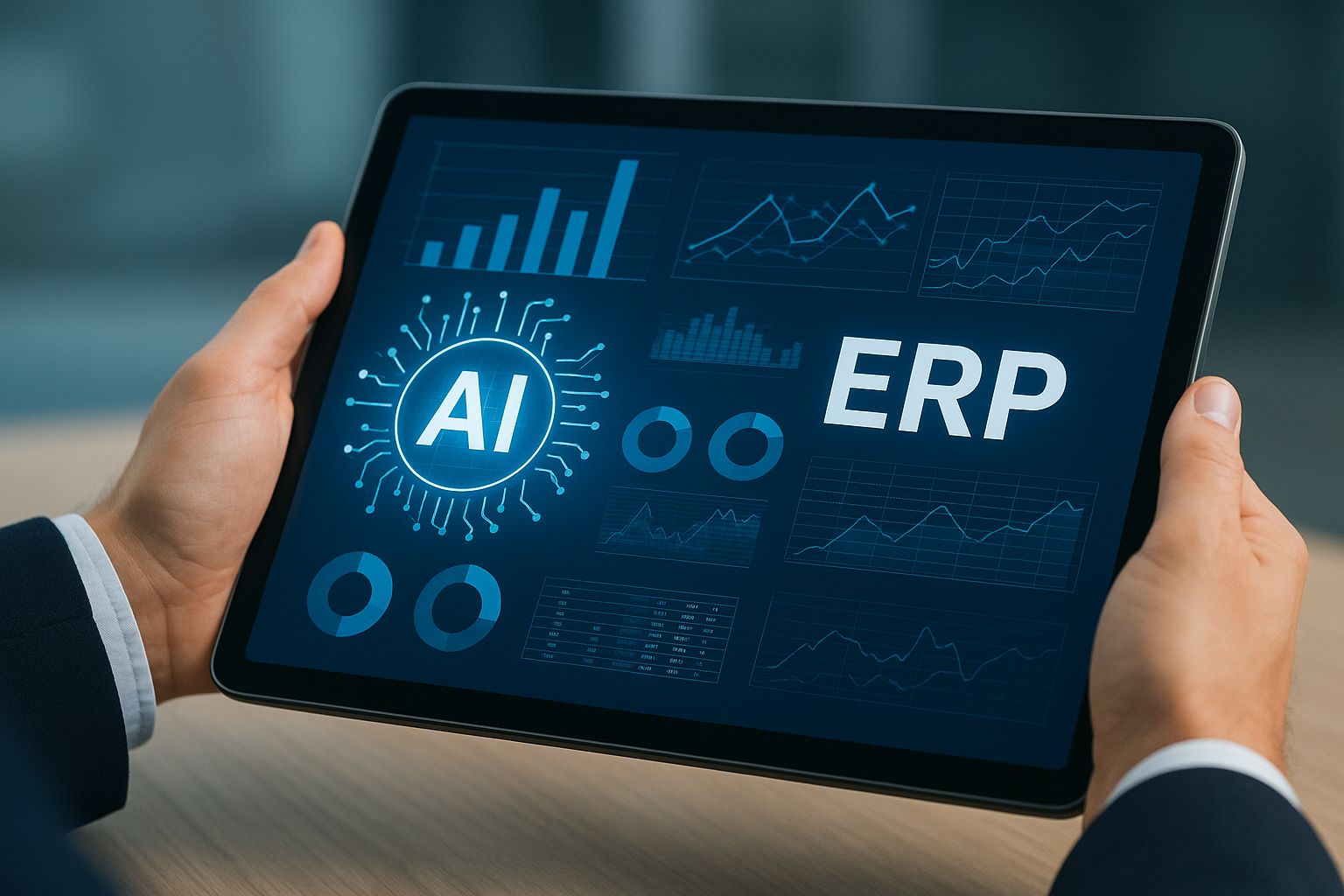
In recent years, the integration of artificial intelligence (AI) into Enterprise Resource Planning (ERP) systems has become a leading trend for enhancing business efficiency.
The adoption of AI within ERP solutions offers unparalleled data analysis capabilities, enabling businesses to unlock insights that drive strategic decision-making. AI-enhanced ERP systems are now engineered to process vast volumes of data far beyond the traditional capacity, allowing for real-time analytics that facilitate quick, actionable insights.
An exciting development is the use of machine learning algorithms that refine processes by analyzing historical data, reducing repetitive manual tasks, and predicting future trends. For instance, supply chain management has benefitted significantly, as AI can foresee disruptions and suggest alternative actions based on predictive analysis, thereby minimizing risks and optimizing supply chain processes.
Furthermore, AI in ERP systems aids in automating complex financial reporting, tax compliance, and auditing tasks. By reducing human intervention, businesses not only save time but also minimize the risk of errors, ensuring compliance with the latest regulatory standards.
A notable case illustrating this trend is a leading manufacturing firm that integrated AI-driven ERP software. The company observed a 30% increase in operational efficiency due to improved demand forecasting and optimized inventory management, showcasing how AI could significantly transform traditional ERP use.
While the benefits are promising, firms must also address the challenges of deploying AI in ERP systems. These challenges include ensuring data quality and governance, upskilling employees to leverage AI tools effectively, and maintaining robust cybersecurity protocols. Companies must be prepared to invest in training and cybersecurity to protect sensitive data from potential threats.
As globalization and digital transformation persist, the competitive edge gained through AI-powered ERP systems will likely continue to expand. Businesses that prioritize integrating AI into their standard operations will be well-positioned to respond swiftly to market changes and drive growth.
In conclusion, AI is not merely an add-on to ERP systems; it’s a transformative force reshaping the landscape of business operations. Enterprises aiming for enhanced efficiency and improved decision-making will find AI-integrated ERP solutions indispensable in achieving their strategic goals.

