


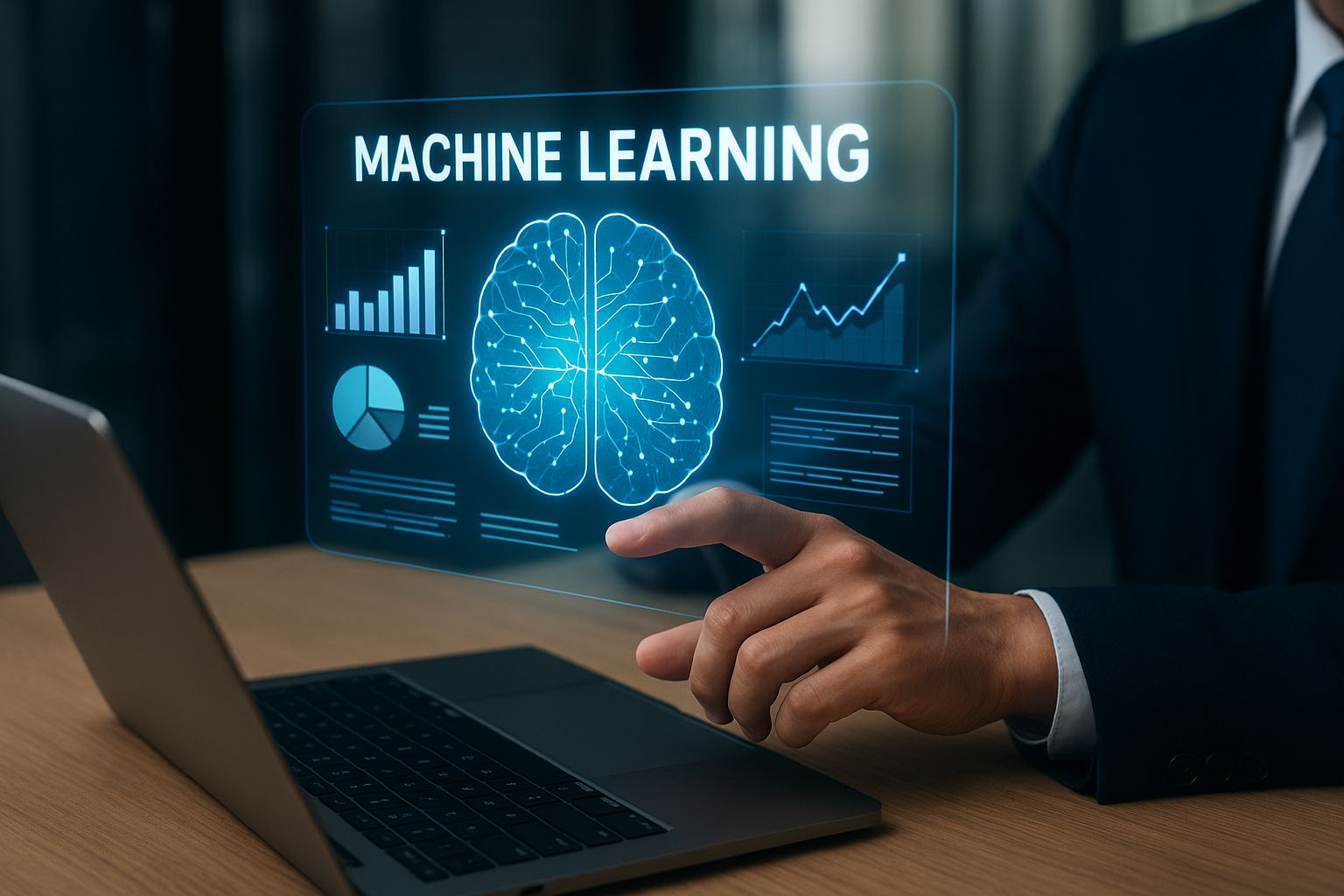
Machine learning, a burgeoning force in technology, is transforming how enterprises manage their resources, optimize operations, and forecast outcomes. This week, significant developments in this realm illustrate its increasing role in shaping Enterprise Resource Planning (ERP) systems.
Recent reports reveal that machine learning is not just enhancing traditional ERP functionalities but redefining them. By integrating sophisticated algorithms, companies can now offer predictive analytics, which helps organizations foresee demand shifts, manage inventory dynamically, and optimize production schedules with unprecedented accuracy.
An exemplary case study involves a multinational manufacturing firm that recently implemented an ERP system augmented with machine learning capabilities. The results were transformational. Inventory management errors decreased by 30%, and the predictive maintenance module anticipated equipment failures before they occurred, saving the company approximately $500,000 annually. This efficiency was achieved by constantly analyzing patterns from historical data and real-time information.
Moreover, machine learning is democratizing data access across the enterprise. By automating routine tasks—such as data entry and analysis—employees are now free to focus on strategic decision-making. A retail enterprise, which incorporated a machine learning-driven ERP, reported a 40% reduction in human error associated with manual data handling, leading to streamlined operations and improved customer satisfaction.
Security is another arena where machine learning is making significant strides. As ERP systems become more interconnected, the risk of data breaches escalates. However, machine learning enhances cybersecurity measures by detecting anomalies and potential threats in real time, thus safeguarding sensitive data while ensuring compliance with regulatory demands.
Vendors, aware of the strategic advantage machine learning provides, are aggressively marketing machine learning-enabled ERP solutions. This development has intensified the competitive landscape, prompting vendors to continuously innovate to maintain market share.
For businesses considering integrating machine learning within their ERP systems, the potential returns are substantial. The transformation of data into actionable insights allows firms to stay agile, responsive, and competitive in an ever-evolving marketplace.
As the global business environment continues to evolve, the role of machine learning within ERP frameworks will undoubtedly expand, further driving digital transformation and enabling businesses to reimagine their operational capabilities.

