


Recent developments in the realm of ERP systems have underscored a shift towards a more integrated and holistic approach to managing business operations. The increasing complexity of global supply chains and the demand for real-time data visibility are driving companies to invest heavily in next-generation ERP solutions.
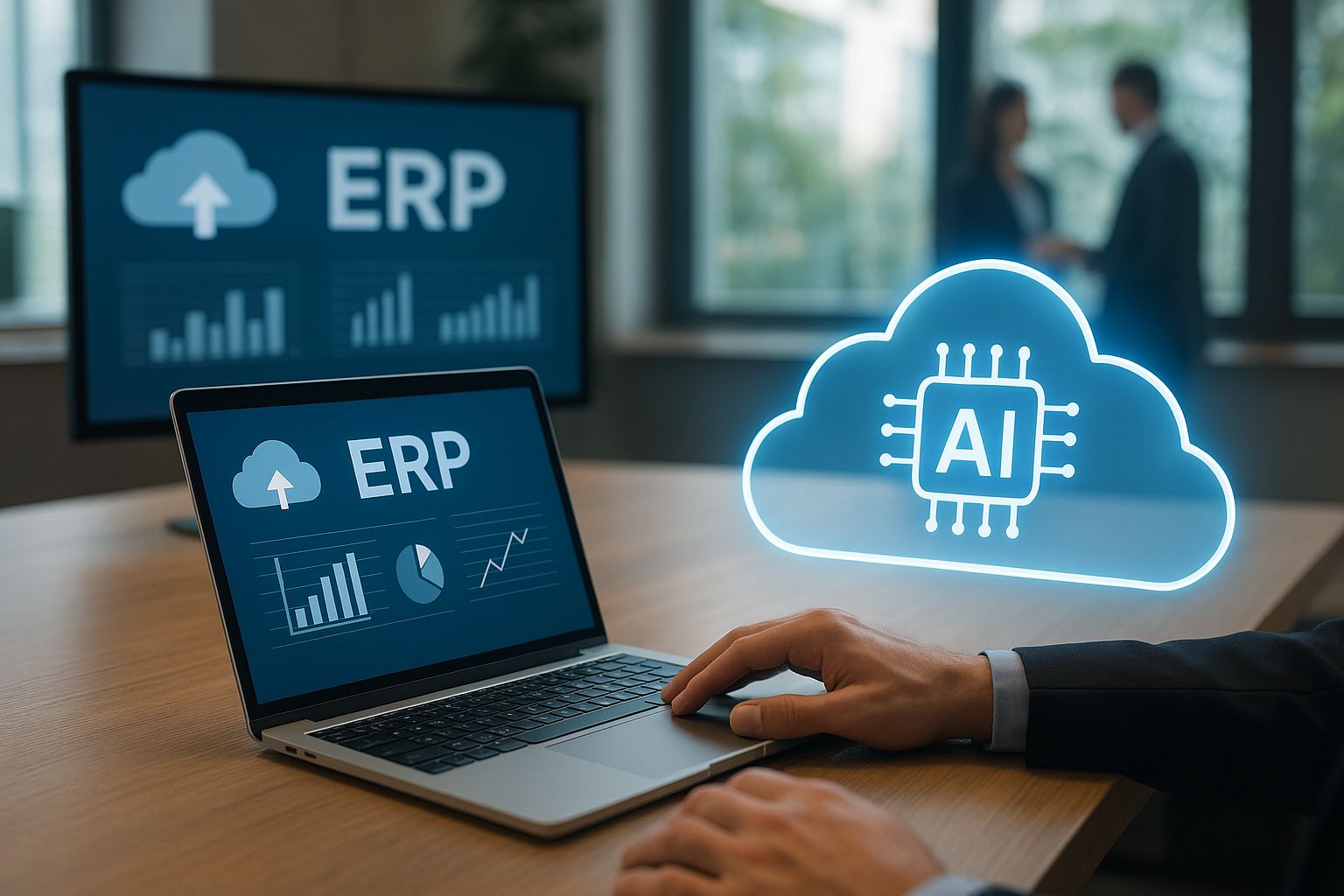
One notable trend is the prominence of cloud-based ERP systems, which offer scalability and flexibility unparalleled by traditional on-premise solutions. This shift allows businesses to rapidly adapt to market fluctuations, ensuring continuity and resilience in the face of disruption. Companies like SAP and Oracle are at the forefront, continuously enhancing their cloud-based offerings to meet the growing needs of enterprises across various sectors.
The integration of artificial intelligence capabilities within ERP systems is another groundbreaking trend. AI-driven analytics enable businesses to gain deeper insights from their data, facilitating more informed decision-making processes. This evolution is particularly critical for industries with extensive operational demands, such as manufacturing and logistics. The implementation of predictive analytics tools within ERPs aids companies in foreseeing potential supply chain bottlenecks and optimizing resource allocation.
Moreover, the role of value-added resellers (VARs) is evolving as they are tasked not only with implementation but also with providing strategic insights that drive business transformation. These resellers are crucial in tailoring ERP solutions to specific industry requirements, which is vital as businesses seek to gain competitive edges in increasingly saturated markets.
Looking ahead, ERP providers are focusing on enhancing user experience through intuitive interfaces and seamless integrations with other vital systems, such as Customer Relationship Management (CRM) and Human Resources Management Systems (HRMS). This interconnected ecosystem facilitates a unified view of business processes, which is vital for maintaining agility and efficiency.
In this dynamic landscape, businesses that leverage advanced ERPs stand to gain significant advantages through improved operational efficiency, cost reductions, and enhanced customer satisfaction. As global markets continue to evolve, the strategic deployment of next-gen ERP systems will undoubtedly be a cornerstone of successful business operations.

