


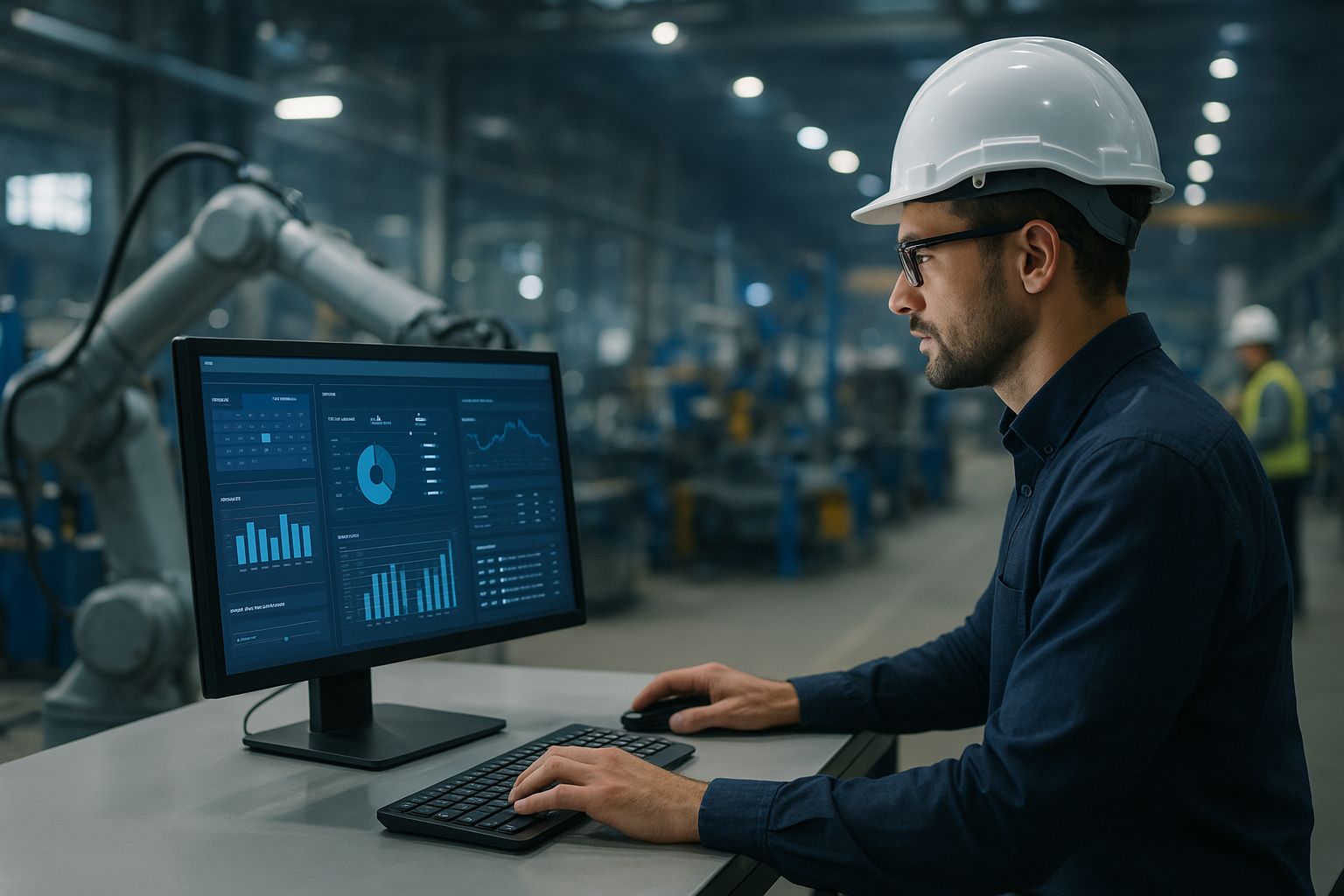
The manufacturing sector has always been on the cutting edge of technological advancement. With the rise of Industry 4.0, companies are increasingly looking upon Enterprise Resource Planning (ERP) systems to streamline operations and foster greater efficiency. Recently, a significant trend has emerged as ERP solutions are being tailored specifically for the manufacturing industry, resulting in improved outcomes and a more connected enterprise network.
Major ERP vendors are now offering solutions embedded with advanced analytics capabilities, enabling manufacturers to glean deeper insights from their data. The integration of artificial intelligence (AI) within these systems facilitates predictive maintenance, optimizing equipment uptime, and minimizing unexpected downtime. This predictive approach not only saves companies considerable costs but also ensures that production schedules stay on track.
One of the most notable success stories in this domain comes from a mid-sized manufacturing firm that adopted a new ERP system tailored to its unique needs. This system provided real-time data integration from various factory corners, improving decision-making processes and meeting ever-evolving customer expectations. Following the implementation, the firm reported a 20% increase in operational efficiency, a testament to the power of bespoke ERP solutions.
The trend of digital twins is also gaining traction. These digital replicas of physical devices within ERP systems allow manufacturers to simulate processes, thus pinpointing potential inefficiencies before they occur. Such initiatives are crucial in the net-zero carbon goals that global industries are striving for, as optimizing processes inherently reduces waste and energy consumption.
Emphasizing ERP’s role in supply chain management, Gartner noted an increased interest in solutions offering real-time tracking and enhanced visibility. As manufacturing firms transition to more agile supply chains, dynamic ERP systems with rapid adaptability become invaluable assets. Firms are now empowered to preemptively address disruptions, whether from pandemic-related closures or geopolitical disturbances, ensuring an uninterrupted supply chain.
Another key area where ERP systems are making strides is in customer relationship management (CRM). By providing manufacturers with detailed customer insights, ERP solutions contribute to more personalized customer experiences, reinforcing brand loyalty in highly competitive markets.
In conclusion, the evolution of ERP systems tailored for manufacturing encapsulates more than just technological progress; it signifies a paradigm shift toward more resilient, efficient, and customer-centric operations. As the industry continues to embrace these innovations, firms investing in next-gen ERP solutions are poised to lead their sectors into a more connected and sustainable future.

