

Navigating the realm of Enterprise Resource Planning (ERP) often demands a keen eye on emerging trends that are continuously morphing the enterprise environment. Cloud-based ERPs have been a hotbed of such evolution, as organizations are increasingly transitioning towards these systems to harness scalability, flexibility, and innovation.
As we delve into recent trends, experts highlight a surge in hybrid cloud solutions. Unlike the typical public or private cloud models, hybrid approaches offer firms the best of both worlds, enhancing operational efficiency and financial flexibility. This trend underscores the paramount importance of a tailored cloud strategy that mitigates risk while optimizing resources.
In recent developments, a notable giant within the technological landscape, Microsoft, announced enhancements to its ERP suite, Microsoft Dynamics 365, integrating generative AI tools. This move not only improves predictive analytics but also streamlines workflows, drastically altering how businesses interact with core applications. Such innovations emphasize the ongoing symbiosis between ERP systems and artificial intelligence—a subject of intense discussion and study among industry thought leaders.
The evolution of ERP also mirrors a growing demand for industry-specific tailor-made solutions. Businesses in sectors such as manufacturing, retail, and healthcare are increasingly investing in ERPs that cater specifically to their unique needs. For instance, in healthcare, ERP systems now incorporate regulatory compliance features and patient management capabilities. This focus ensures a more streamlined operation that aligns seamlessly with industry requirements.
Reflecting on my past experiences at Deloitte, the critical success factor for ERP implementation often boiled down to the alignment between business strategy and ERP capabilities. One striking case involved a retail firm that saw a 30% increase in operational efficiency after adopting an ERP system tailored specifically to their sales and inventory processes. Such real-life applications further demonstrate the tangible benefits of aligning ERP systems with strategic business goals.
Looking ahead, the trajectory of ERP systems is poised to continue its upward ascent, driven by cloud innovations and strategic business alignments. Organizations prioritizing these components will likely experience a robust competitive advantage in this dynamic marketplace.
Estimated reading time: 1 minute, 50 seconds
Navigating the Cloud: ERP Trends Shaping Today's Business Landscape Featured
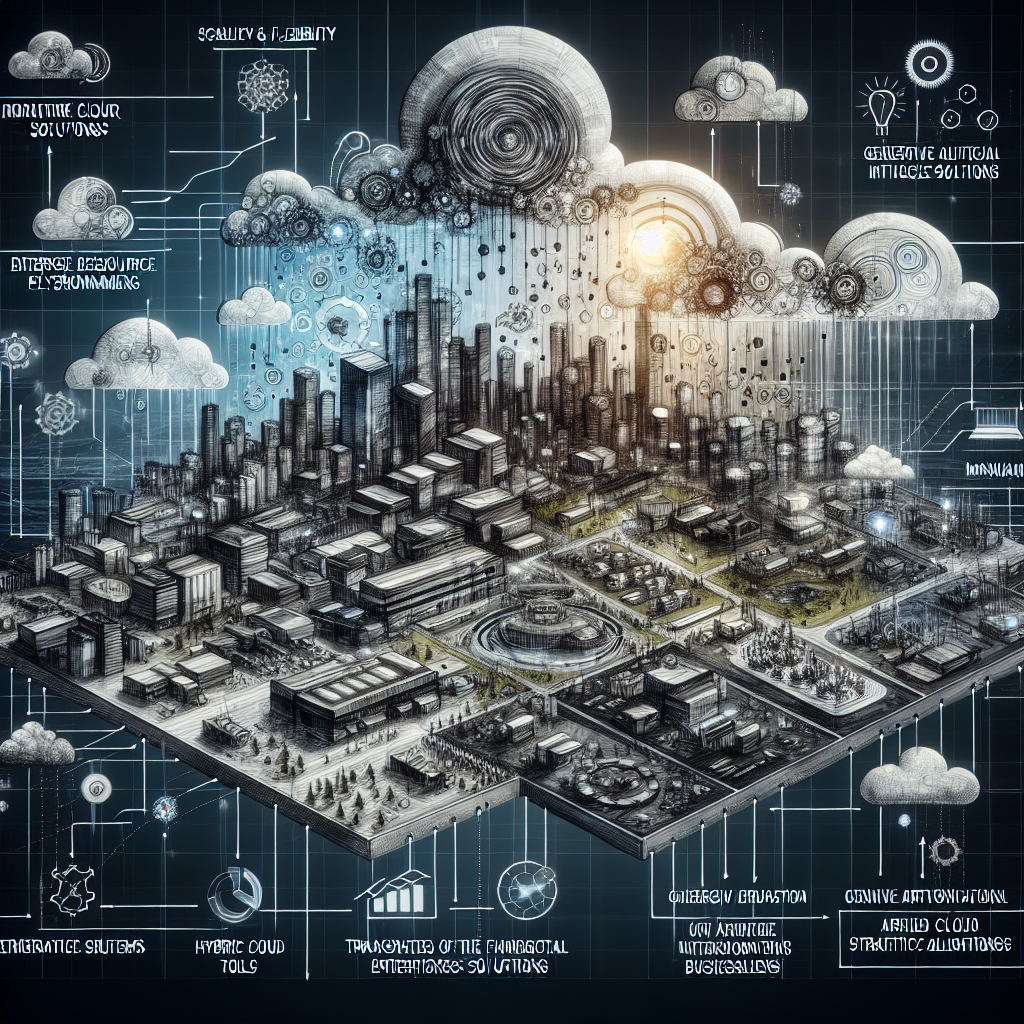 Explore the latest trends in cloud-based ERP systems, highlighting the rise of hybrid solutions and AI integration in Microsoft Dynamics 365, transforming enterprise landscapes. Discover the importance of industry-specific solutions and strategic alignment in achieving business success.
Latest from ERP Global Insights
Most Read
-

-
May 19 2021
-
Written by BobWScott
 Just what kind of year has it been for the…
-
-

-
May 22 2017
-
Written by mark
The last year has been one of change—the cloud has…
-
-
-
May 22 2017
-
Written by BobWScott
The last year has been one of change—the cloud has…
-
-
-
May 25 2016
-
Written by mark
Annual Report: 2016 BSI Top 100 VARs The web has…
-