

The trend of transitioning from on-premise to cloud-based ERP systems persists as organizations increasingly recognize the benefits associated with cloud technology. While on-premise ERP solutions have long dominated the business landscape, cloud-based systems are gaining traction due to their scalability, cost-effectiveness, and flexibility.
One of the foremost advantages of cloud-based ERP is its scalability. As businesses expand, their operational needs evolve. Cloud-based solutions can be easily scaled to accommodate this growth, ensuring organizations are not constrained by outdated infrastructure. This is particularly beneficial for companies experiencing rapid expansion or seasonal fluctuations in business activity.
Moreover, cloud-based ERP solutions offer cost-effectiveness that on-premise solutions often struggle to match. Without the need for significant upfront capital investments in hardware and software, businesses can reduce their IT expenditure. Additionally, the subscription-based pricing typical of cloud offerings ensures predictable, manageable costs—an essential factor for budget-conscious CFOs.
Flexibility is another key driver for the shift towards cloud-based ERP systems. These solutions enable businesses to access vital data and applications from anywhere with an internet connection. The COVID-19 pandemic demonstrated the importance of remote work capabilities, and cloud ERP solutions deliver exactly that. They empower teams to collaborate seamlessly and maintain productivity regardless of their physical location.
Integrations are also simplified with cloud-based ERP systems. Many cloud providers offer APIs (Application Programming Interfaces) that allow businesses to connect their ERP with other software solutions, enhancing functionality and creating a cohesive IT ecosystem.
High-profile success stories underscore this trend. Notably, a leading retail corporation recently transitioned its entire supply chain management system to a cloud-based ERP platform. The move resulted in a 30% increase in operational efficiency and significantly reduced overhead costs.
Ultimately, the transition to cloud-based ERP solutions represents a significant shift in how businesses approach enterprise resource planning. It allows companies to stay competitive in an ever-evolving market by leveraging technology to enhance efficiency, reduce costs, and drive innovation.
Estimated reading time: 1 minute, 42 seconds
The Shift Towards Cloud-Based ERP Solutions Continues Featured
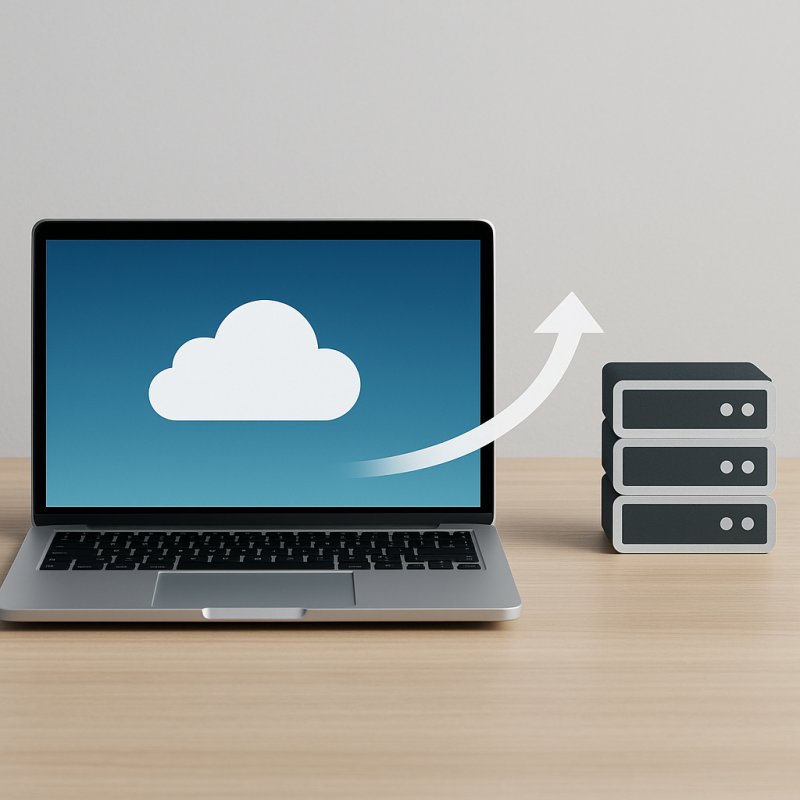 Explore the ongoing trend of migrating to cloud-based ERP solutions and discover the benefits, including scalability, cost-effectiveness, and flexibility. Learn how this transition enhances business efficiency while fostering innovation.
Latest from ERP Global Insights
- The Impact of AI-Powered ERP Systems on Business Agility
- The Rise of Cloud-Based ERP Systems: A Game Changer in Business Management
- Revolutionizing ERP Systems: The Newest Product Innovations
- The Rise in Automated Financial Reporting: A New Business Norm
- Emerging Trends in ERP: Fostering Efficiency and Innovation
Most Read
-

-
May 19 2021
-
Written by BobWScott
 Just what kind of year has it been for the…
-
-

-
May 22 2017
-
Written by mark
The last year has been one of change—the cloud has…
-
-
-
May 22 2017
-
Written by BobWScott
The last year has been one of change—the cloud has…
-
-
-
May 25 2016
-
Written by mark
Annual Report: 2016 BSI Top 100 VARs The web has…
-