

In the rapidly evolving world of business, cloud Enterprise Resource Planning (ERP) systems have become pivotal in reshaping the operational frameworks of numerous organizations. The transition from traditional, on-premise ERP systems to cloud-based solutions is more prevalent than ever, driven by advancements in technology and the pressing need for agility in business operations.
Cloud ERP solutions offer a myriad of benefits, most notably the ability to access data and processes in real time from anywhere, a feature that has become essential in our increasingly mobile world. This paradigm shift from the static limitations of conventional systems to the dynamic advantages of cloud-based platforms marks a significant trend in both large and small enterprises.
A notable trend observed in recent days is the focus on enhanced data security features offered by cloud ERP providers. With data breaches being a persistent threat, companies are prioritizing solutions that promise robust security architectures. Advanced encryption methodologies and multi-factor authentication processes are being integrated into these systems, reassuring companies about their data safety.
Another compelling advantage of cloud ERP systems is their cost-effectiveness. By eliminating the need for expensive hardware and reducing IT personnel costs, businesses can reallocate resources to core activities that drive revenue. Moreover, the scalability of cloud solutions allows businesses to adjust their ERP resources as needed, ensuring they only pay for what they use.
From my work at Deloitte, I've observed that companies adopting cloud ERP systems often report increased efficiency and streamlined operations. For instance, a mid-sized manufacturing company that transitioned to a cloud-based ERP system was able to reduce its inventory costs significantly due to improved visibility and data analytics capabilities. This real-world example highlights how such systems contribute directly to the bottom line.
The continuous advancement in artificial intelligence and machine learning is another trend influencing the evolution of ERP systems. These technologies are being leveraged to predict trends, automate routine tasks, and provide valuable insights that aid decision-making processes, further cementing the indispensable role of cloud ERP systems in modern business operations.
As organizations strive for more integrated and comprehensive business processes, the shift towards cloud ERP systems represents a strategic move towards innovation and survival in a competitive environment. Therefore, businesses looking to stay ahead of the curve must consider investing in cloud ERP solutions that offer unparalleled flexibility, security, and efficiency.
Estimated reading time: 2 minutes, 5 seconds
The Growing Importance of Cloud ERP Solutions in Today's Business Landscape Featured
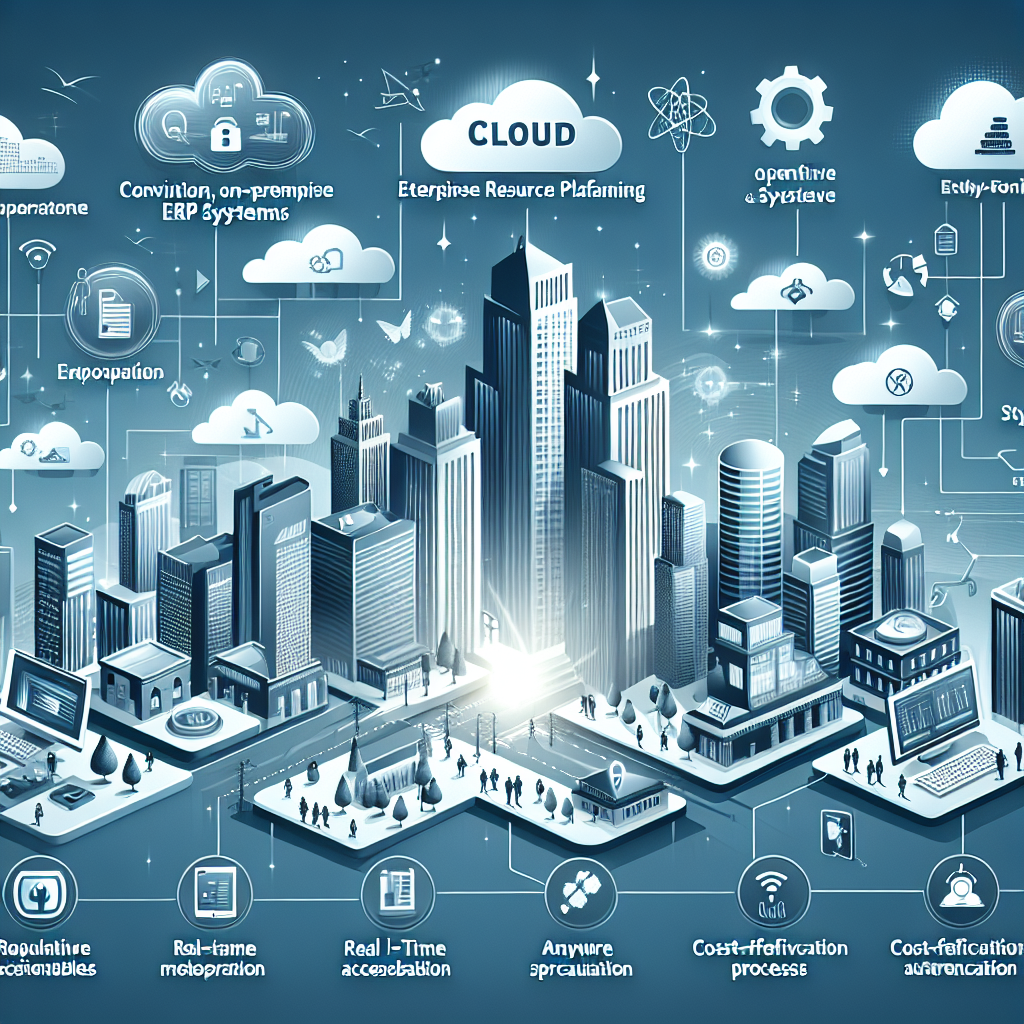 Explore how cloud ERP solutions are transforming business operations with enhanced security, cost-effectiveness, and real-time accessibility. Learn about the latest trends and advantages of adopting cloud-based ERP systems in today's market.
Latest from ERP Global Insights
Most Read
-

-
May 19 2021
-
Written by BobWScott
 Just what kind of year has it been for the…
-
-

-
May 22 2017
-
Written by mark
The last year has been one of change—the cloud has…
-
-
-
May 22 2017
-
Written by BobWScott
The last year has been one of change—the cloud has…
-
-
-
May 25 2016
-
Written by mark
Annual Report: 2016 BSI Top 100 VARs The web has…
-