

The world of Enterprise Resource Planning (ERP) is constantly evolving, pushing the boundaries of how businesses manage their operations. Over the past few days, significant trends have emerged that highlight the growing importance of digital transformation in the ERP landscape.
In today's fast-paced business environment, companies are increasingly recognizing the pivotal role of cloud-based ERP systems. The shift from on-premise to cloud solutions is accelerating, driven by the need for scalability, flexibility, and remote accessibility. This shift is not just a technological upgrade; it represents a strategic move for businesses aiming to stay competitive in a dynamic market.
A recent example of this shift is observable in the retail industry. Major retailers, such as Walmart, are investing heavily in cloud-based ERP solutions to streamline supply chain processes and enhance customer experiences. The ability to integrate real-time data across various departments and geographies is a game-changer, enabling businesses to make informed decisions swiftly.
Another trend gaining traction is the integration of Artificial Intelligence (AI) and Machine Learning (ML) within ERP systems. These technologies are revolutionizing predictive analytics and automation capabilities, offering deeper insights into business operations. Companies like Deloitte are spearheading this trend by developing AI-driven ERP solutions that help clients optimize resource allocation and improve efficiency.
Cybersecurity remains a top priority for businesses as they transition to digital platforms. Recent high-profile security breaches have underscored the need for robust cybersecurity measures within ERP systems. Organizations are investing in enhanced security protocols to safeguard sensitive business data and ensure compliance with stringent regulations. Integrating cybersecurity measures within ERP processes is no longer optional—it's a necessity.
Sustainability is also shaping the future of ERP. Forward-thinking companies are embedding sustainability metrics into their ERP systems to track environmental impacts and align operations with corporate social responsibility goals. This trend reflects a broader shift towards sustainable business practices and offers a unique selling point in an increasingly eco-conscious market.
In summary, the ERP landscape is undergoing rapid transformations driven by digital evolution. Businesses embracing cloud-based solutions, AI integration, enhanced cybersecurity, and sustainability are better positioned to thrive. As these trends continue to develop, staying informed and adaptable is crucial for industry leaders aiming to leverage ERP as a competitive advantage.
Estimated reading time: 1 minute, 57 seconds
Adapting to the Digital Evolution: Key Insights from Recent ERP Trends Featured
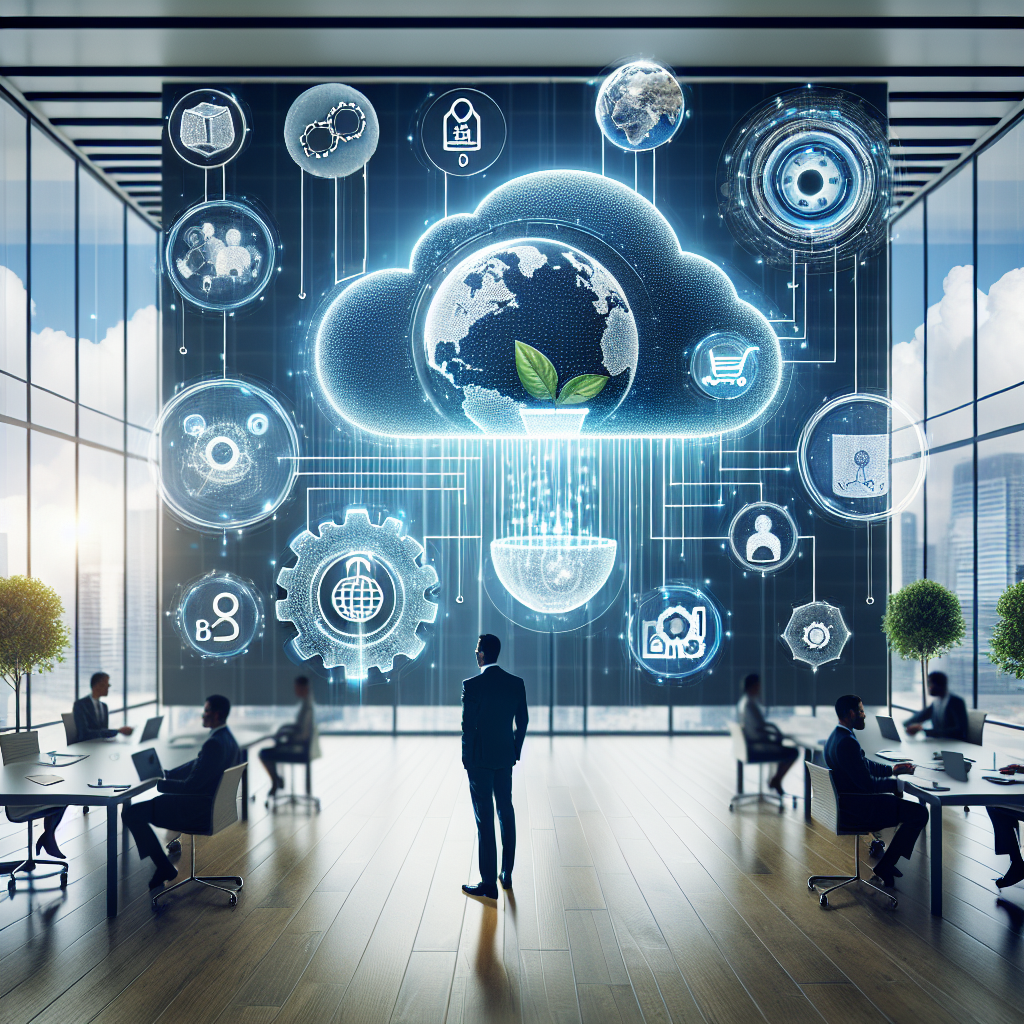 Explore recent ERP trends, highlighting the growing importance of digital transformation, cloud-based solutions, AI integration, cybersecurity, and sustainability in shaping the future of business operations.
Latest from ERP Global Insights
- Unveiling the Latest ERP Innovations: A Leap Towards Automation
- Revolutionizing Accounting with New ERP Solutions
- Cloud ERP Solutions: Transforming Business Operations Amidst Market Dynamics
- ERP System Integration: Strategies for Seamless Implementation
- The Shift Towards Cloud-Based ERP Solutions Continues
Most Read
-

-
May 19 2021
-
Written by BobWScott
 Just what kind of year has it been for the…
-
-

-
May 22 2017
-
Written by mark
The last year has been one of change—the cloud has…
-
-
-
May 22 2017
-
Written by BobWScott
The last year has been one of change—the cloud has…
-
-
-
May 25 2016
-
Written by mark
Annual Report: 2016 BSI Top 100 VARs The web has…
-