

Close Menu
ERP Global InsightsERP Global Insights
    What's Hot

    Adapting ERP Systems for Sustainability: A Current Business Priority

    November 24, 2026

    Adapting ERP Systems to Meet Ever-Changing Regulatory Requirements

    November 24, 2026

    ERP Implementation Trends: The Rise of Remote Consulting Services

    November 19, 2026
    LinkedIn
    Trending
    • Adapting ERP Systems for Sustainability: A Current Business Priority
    • Adapting ERP Systems to Meet Ever-Changing Regulatory Requirements
    • ERP Implementation Trends: The Rise of Remote Consulting Services
    • The Growing Influence of AI in Enterprise Resource Planning Solutions
    • 2026 ERP Global Insights VAR Stars – ERP’s AI Reckoning
    • Navigating ERP Implementation: Key Trends in Change Management for 2023
    • Harnessing ERP Cloud Migration: A Strategic Shift for Modern Enterprises
    • Navigating the ERP Landscape: Key Trends Shaping the Post-Pandemic Enterprise
    • New Products
    • News & Analysis
    LinkedIn
    ERP Global InsightsERP Global Insights
    Subscribe
    Tuesday, November 24
    • Home
    • News & Analysis
    • Machine learning
    • New Products
    • BSI Special Reports
    • Double Take
    ERP Global InsightsERP Global Insights
    Home»News & Analysis

    Adapting ERP Systems for Sustainability: A Current Business Priority

    ERP Global InsightsBy ERP Global InsightsNovember 24, 2026 News & Analysis No Comments3 Mins Read
    Adapting ERP Systems for Sustainability: A Current Business Priority
    Adapting ERP Systems for Sustainability: A Current Business Priority
    Share
    Facebook Twitter LinkedIn Pinterest Email

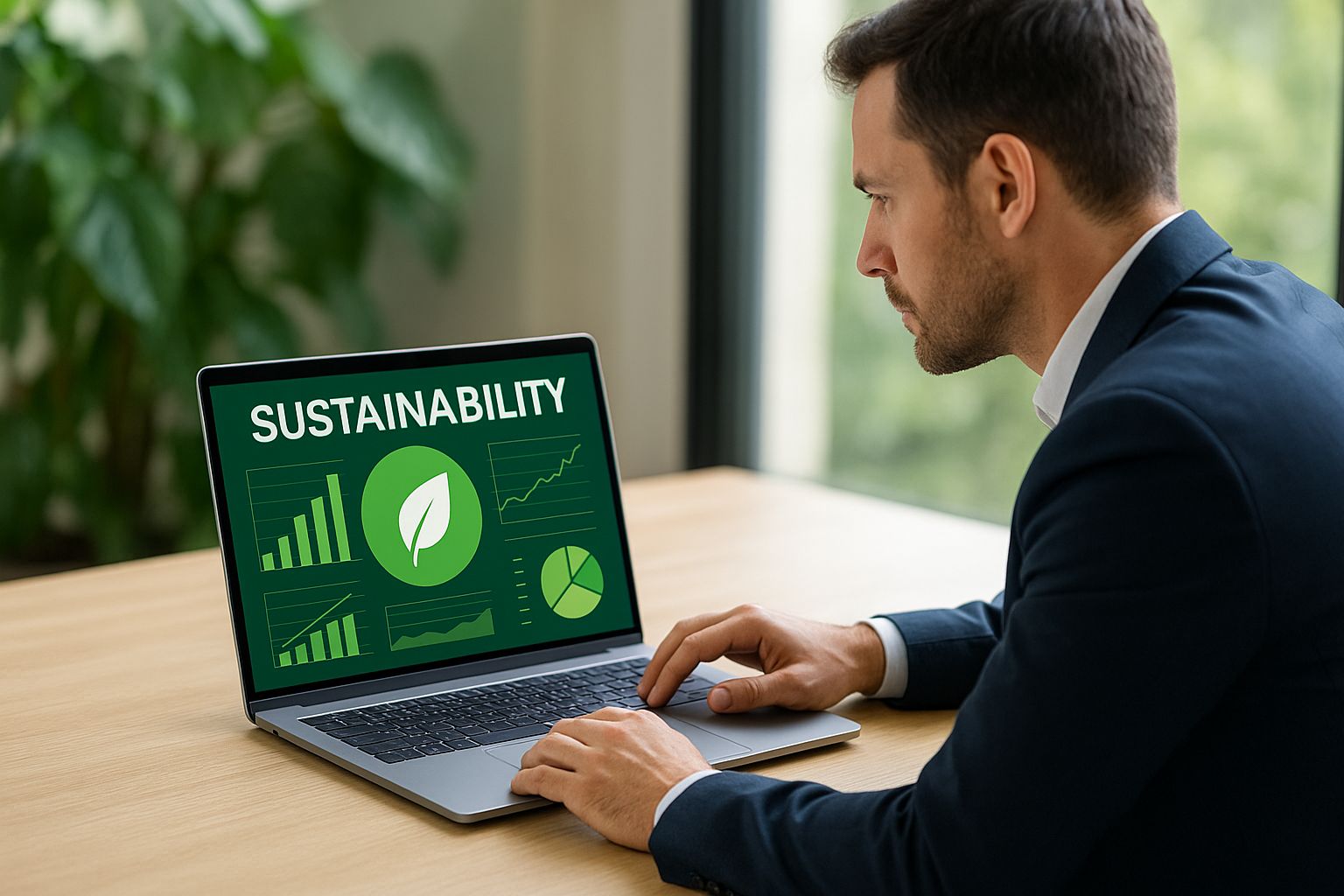
    Sustainability has ascended as a pivotal priority for businesses today, driven by increased regulatory scrutiny and consumer expectations. Enterprise Resource Planning (ERP) systems are evolving swiftly to embrace this sustainability imperative, enabling organizations to align their operations with eco-friendly practices.

    A current trend reshaping the ERP landscape is the integration of sustainability functionalities directly into core systems. Businesses are no longer treating environmental initiatives as separated from their operational software but are embedding sustainability metrics into their ERP platforms. This shift not only facilitates improved environmental compliance but also enhances transparency and operational efficiency. For businesses seeking to capture this budding opportunity, understanding recent innovations in ERP deployment can be invaluable.

    Companies like SAP and Oracle are leading the charge by offering new ERP modules specifically designed for sustainability tracking. These modules encompass functionalities such as carbon footprint analytics, resource efficiency tracking, and sustainable supply chain management. By monitoring sustainability metrics within their ERP systems, organizations can execute strategic decisions based on comprehensive data without relying on disjointed tools or manual reporting. This integration allows for real-time insights into areas where operational adjustments can reduce environmental impacts.

    Furthermore, enterprises embracing cloud-based ERP solutions are finding notable sustainability benefits. Cloud hosting reduces on-premises energy consumption and facilitates the use of advanced data analytics for sustainability assessment, ultimately leading to more informed decision-making. For instance, the ability to model resource consumption and emissions under varied scenarios helps companies forecast the environmental impact of strategic changes.

    Besides technological enhancements, regulatory pressures are motivating companies to reconsider their ERP strategies. Governments worldwide are implementing stricter environmental laws requiring meticulous reporting on carbon emissions and resource usage. Thus, integrating these regulatory demands into ERP processes ensures compliance while optimizing workflow and resource management.

    In tandem, there is a growing emphasis on sustainable supply chains, which is being streamlined through ERP capabilities. Tracking the sustainability credentials of suppliers, measuring transportation emissions, and optimizing inventory levels are now seamlessly managed within ERP systems, facilitating businesses in building more resilient and eco-conscious supply chains.

    Crucially, this evolution in ERP systems underlines the importance of aligning IT strategies with broader corporate sustainability goals. Boards and executive teams are prioritizing the incorporation of green practices into their governance frameworks, with ERP systems acting as the backbone in measuring, reporting, and improving these sustainability efforts. As global demand for sustainable business practices grows, companies equipped with robust ERP systems are positioned for significant competitive advantages.

    ERP Global Insights
    • Website

    Keep Reading

    Adapting ERP Systems to Meet Ever-Changing Regulatory Requirements

    The Growing Influence of AI in Enterprise Resource Planning Solutions

    Navigating ERP Implementation: Key Trends in Change Management for 2023

    Harnessing ERP Cloud Migration: A Strategic Shift for Modern Enterprises

    Navigating the ERP Landscape: Key Trends Shaping the Post-Pandemic Enterprise

    Rising Demand for Value-Added Resellers in ERP Implementation

    Latest Articles

    Adapting ERP Systems for Sustainability: A Current Business Priority

    November 24, 2026

    Adapting ERP Systems to Meet Ever-Changing Regulatory Requirements

    November 24, 2026

    ERP Implementation Trends: The Rise of Remote Consulting Services

    November 19, 2026

    The Growing Influence of AI in Enterprise Resource Planning Solutions

    November 18, 2026

    2026 ERP Global Insights VAR Stars – ERP’s AI Reckoning

    November 17, 2026

    Subscribe to News

    Please use the form below to subscribe to our various newsletters.

    LinkedIn

    News & Analysis

    Adapting ERP Systems for Sustainability: A Current Business Priority

    November 24, 2026

    Adapting ERP Systems to Meet Ever-Changing Regulatory Requirements

    November 24, 2026

    New Products

    Revolutionizing ERP Systems: The Rise of Cloud-Based Solutions and the Shifting Business Landscape

    November 9, 2026

    Revolutionizing ERP with New Generation Business Intelligence Tools

    October 29, 2026
    • Information
    • Advertising
    • Classified Ads
    • Contact Info
    • Do Not Sell Data
    • GDPR Policy
    • Media Kits

    BSI Special Reports

    2026 ERP Global Insights VAR Stars – ERP’s AI Reckoning

    November 17, 2026

    Revolutionizing Resource Planning: The Impact of AI on ERP Systems

    October 29, 2026
    • Subscriptions
    • Customer Support
    • Bulk Packages
    • Newsletters
    • Sponsored News
    • Work With Us

    Subscribe to Updates

    Please use the form below to subscribe to our various newsletters.

    © 2026 ERP Global Insights. All Rights Reserved.
    • Privacy Policy
    • Cookie Policy

    Type above and press Enter to search. Press Esc to cancel.