


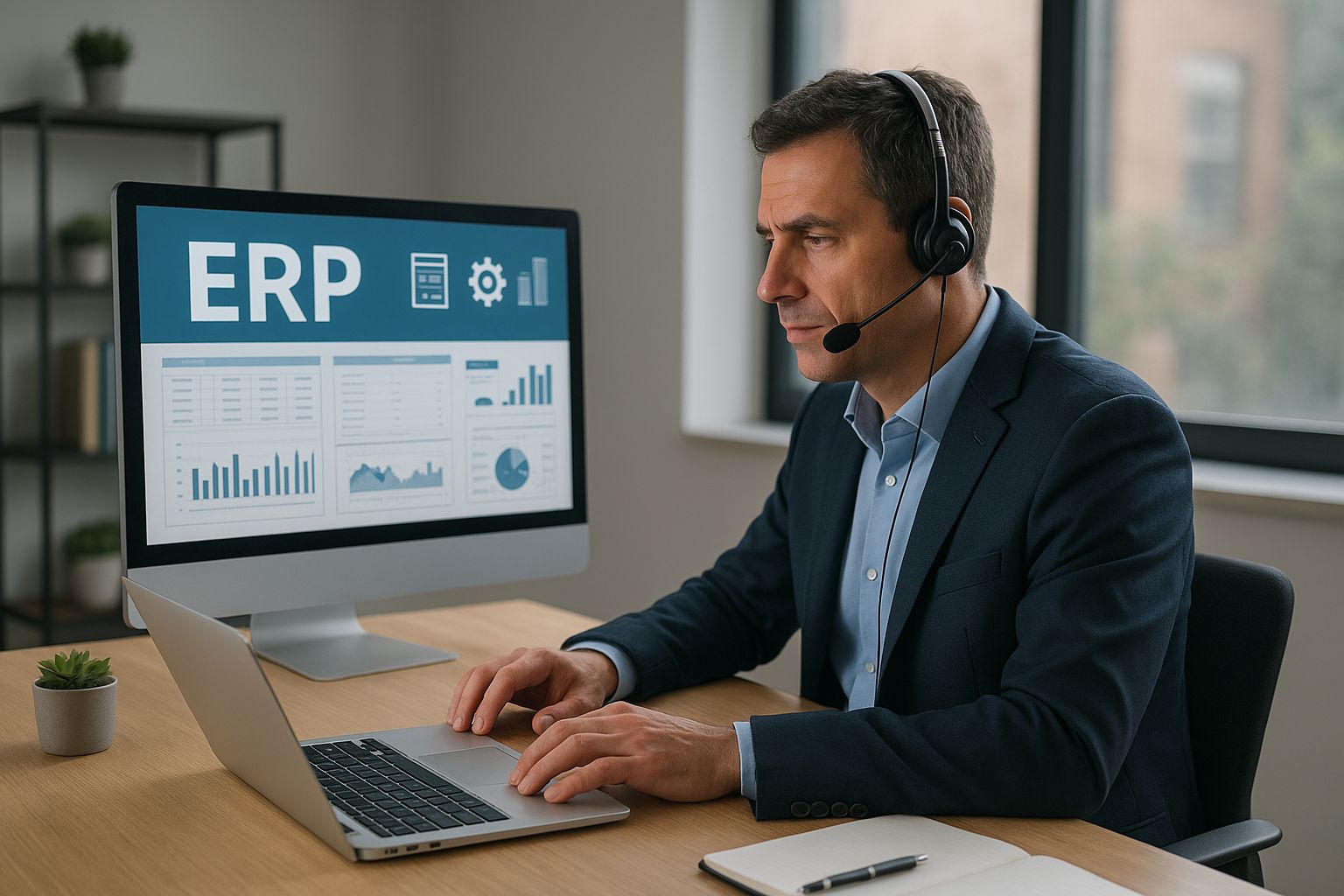
The enterprise resource planning (ERP) landscape is witnessing a significant transformation with the increasing adoption of remote consulting services. Business leaders focused on integrating seamless, cost-effective ERP solutions have taken notice of how these virtual services can streamline implementations and enhance responsiveness.
Remote consulting for ERP systems has become not just a convenience but a strategic necessity. The trend gained momentum as organizations acknowledged the importance of flexibility and adaptability in today’s rapidly evolving business environment. Remote ERP consulting provides the ability to tap into global expertise without the constraints of geographical limitations, reducing both operational risks and costs.
Several industry players have effectively leveraged remote ERP consulting to optimize their operations. For instance, a leading manufacturer in the automotive industry utilized remote consulting to upgrade its legacy systems. By engaging with a team of experts spread across various continents, the company could bring diverse perspectives and innovative solutions to the table. As a result, the firm achieved a more agile and integrated system capable of real-time data analytics and reporting.
The proliferation of cloud technologies has further bolstered the shift towards remote ERP consulting. Cloud-based ERP systems offer scalable solutions and facilitate real-time collaboration between consultants and internal teams. This synergy allows organizations to implement ERP solutions more swiftly and adjust to market changes dynamically.
However, this trend comes with its set of challenges. Data security remains a prime concern for organizations opting for remote consultancy, necessitating robust cybersecurity measures to protect sensitive business information. Furthermore, remote ERP implementation requires a strong IT infrastructure to ensure smooth communication and data transfer between clients and consultants.
To address these challenges, ERP vendors are increasingly offering comprehensive consulting packages that include enhanced data encryption, multi-factor authentication, and regular security audits. These measures help businesses maintain data integrity while benefiting from the efficiencies of remote consultancy.
In conclusion, the move towards remote ERP consulting services presents a substantial competitive advantage for businesses. By embracing these services, organizations can reduce costs, access a broader pool of expertise, and implement systems without the delays often associated with traditional on-site consultations. As digital transformation continues to drive operational change across industries, remote consulting is set to play a pivotal role in modern ERP deployment strategies.

