


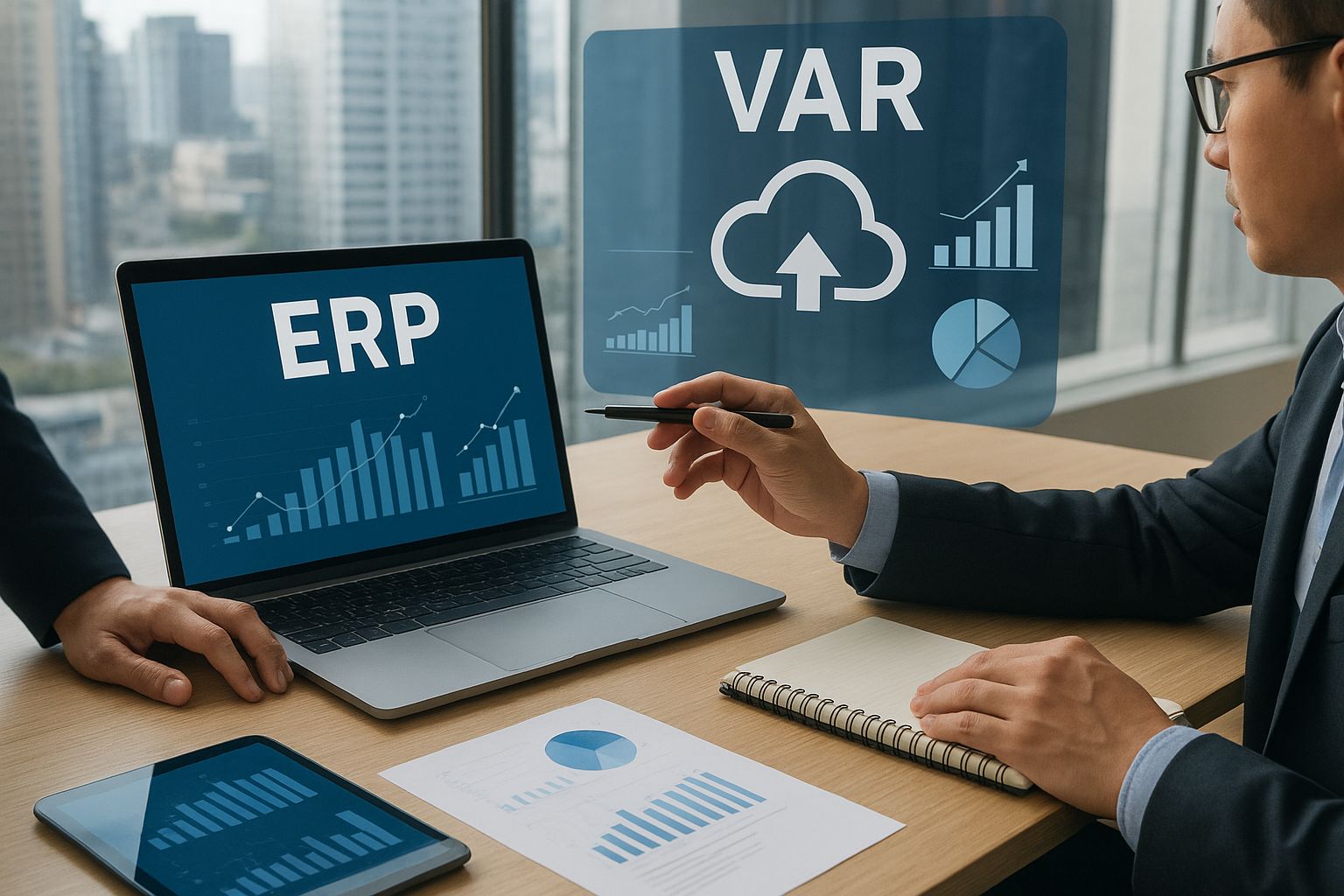
The evolving landscape of enterprise resource planning (ERP) is marked by a notable trend—value-added reselling (VAR) transforming from mere software dealerships to strategic business enablers. The catalyst of this transformation is the accelerated integration of comprehensive analytics and cloud solutions into traditional ERP frameworks.
In recent observations, VARs have been moving beyond their traditional role of system implementation to offering strategic guidance that propels businesses towards seamless digital transformation. The approach is twofold: harnessing data-driven insights and leveraging cloud technology for enhanced scalability and flexibility.
This dynamic shift is prompted by an increased demand for personalized and industry-specific solutions, causing VARs to recalibrate their value propositions. For instance, notable players in the VAR sector are prioritizing vertical expertise, aligning closely with industry needs, and harnessing data analytics to offer insightful business forecasts.
A significant industry development is the adoption of intelligent cloud-based analytics tools by VARs. This enables them to provide clients with real-time data access, ensuring more agile decision-making processes. As reported in recent case studies, this strategy has resulted in marked improvements in operational efficiencies and bottom-line profits across various sectors.
Moreover, VARs are increasingly adopting subscription-based models, providing clients with flexible payment options that align with their financial planning. This shift is not just about cost-effectiveness but also about giving businesses the agility to adapt to changing market conditions without the upfront burden of capital expenditures.
However, with these advancements come challenges. The need for skilled talent fluent in both technical and industry-specific languages is higher than ever. VARs are investing heavily in training programs and partnerships with educational institutions to bridge this skills gap.
Additionally, a robust cybersecurity framework has become non-negotiable as VARs handle vast amounts of sensitive business data. Ensuring data integrity and complying with international data protection regulations are critical to building client trust.
In conclusion, the value-added reselling domain is at a pivotal juncture. By embracing comprehensive ERP solutions enhanced with data analytics and cloud capabilities, VARs are positioned to drive significant business value. The future will undoubtedly see this strategic transformation continue to evolve, shaping the competitive dynamics of the ERP landscape.

