


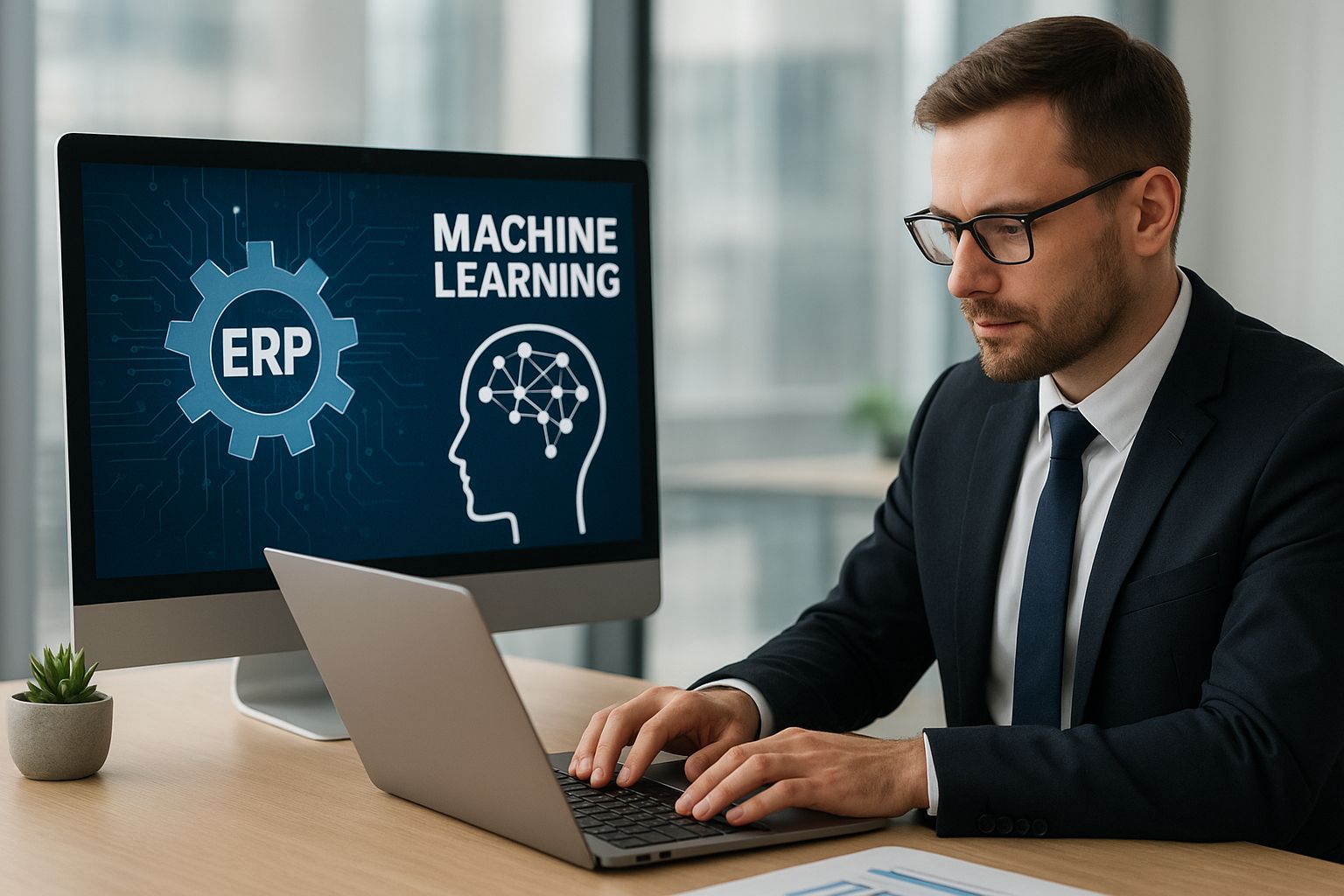
The integration of machine learning within Enterprise Resource Planning (ERP) systems has become an essential focus for businesses seeking to enhance their operational efficiency and strategic decision-making capabilities. The recent surge in interest surrounding machine learning applications in ERP can be seen in companies striving to utilize data-driven insights to stay competitive in today’s dynamic business environment.
Machine learning bridges the gap between massive data volumes and actionable business intelligence by offering predictive and prescriptive analytics. Companies, particularly those with a global footprint, are leveraging these capabilities to forecast demand more accurately, optimize supply chains, and allocate resources more efficiently.
One noteworthy development is the expanding role of value-added resellers (VARs). These entities are now tapping into machine learning technologies to augment their service offerings, providing richer, more customized insights to clients. Through the integration of sophisticated machine learning algorithms with ERP systems, VARs are positioning themselves as indispensable partners in digital transformation.
In practical terms, major corporations have begun reporting notable gains in both their operational metrics and bottom line. By deploying machine learning-enhanced ERP solutions, businesses are not only managing resources more prudently but also identifying and mitigating risks proactively. For instance, using predictive analytics, firms can anticipate machinery maintenance needs and circumvent costly downtimes, thereby extending asset lifecycles.
With continuous advancements in machine learning models, there is a growing momentum toward more autonomous ERP systems. These systems are characterized by their ability to learn from data patterns and anomalies, thus refining operational strategies without constant human intervention. However, this automation trajectory does pose questions concerning data privacy and security measures.
Due diligence in compliance and a robust change management strategy are critical as organizations scale their machine learning initiatives. As observed in successful case studies, companies embracing this technology must invest in specialized training for their workforce to capitalize fully on the latent potential of their upgraded ERP systems.
This burgeoning trend underscores the dire need for businesses to align their technological roadmaps with machine learning innovations. By doing so, companies can not only navigate competitive landscapes with greater agility but also carve out roles as pioneers in leveraging futuristic business solutions.
Machine learning’s transformative influence on ERP systems accelerates as decision-makers recognize its promise in reshaping business landscapes. As more organizations embark on this path, the long-term benefits—ranging from improved forecasting accuracy to advanced process automation—will redefine the bedrock of modern business strategies.

