


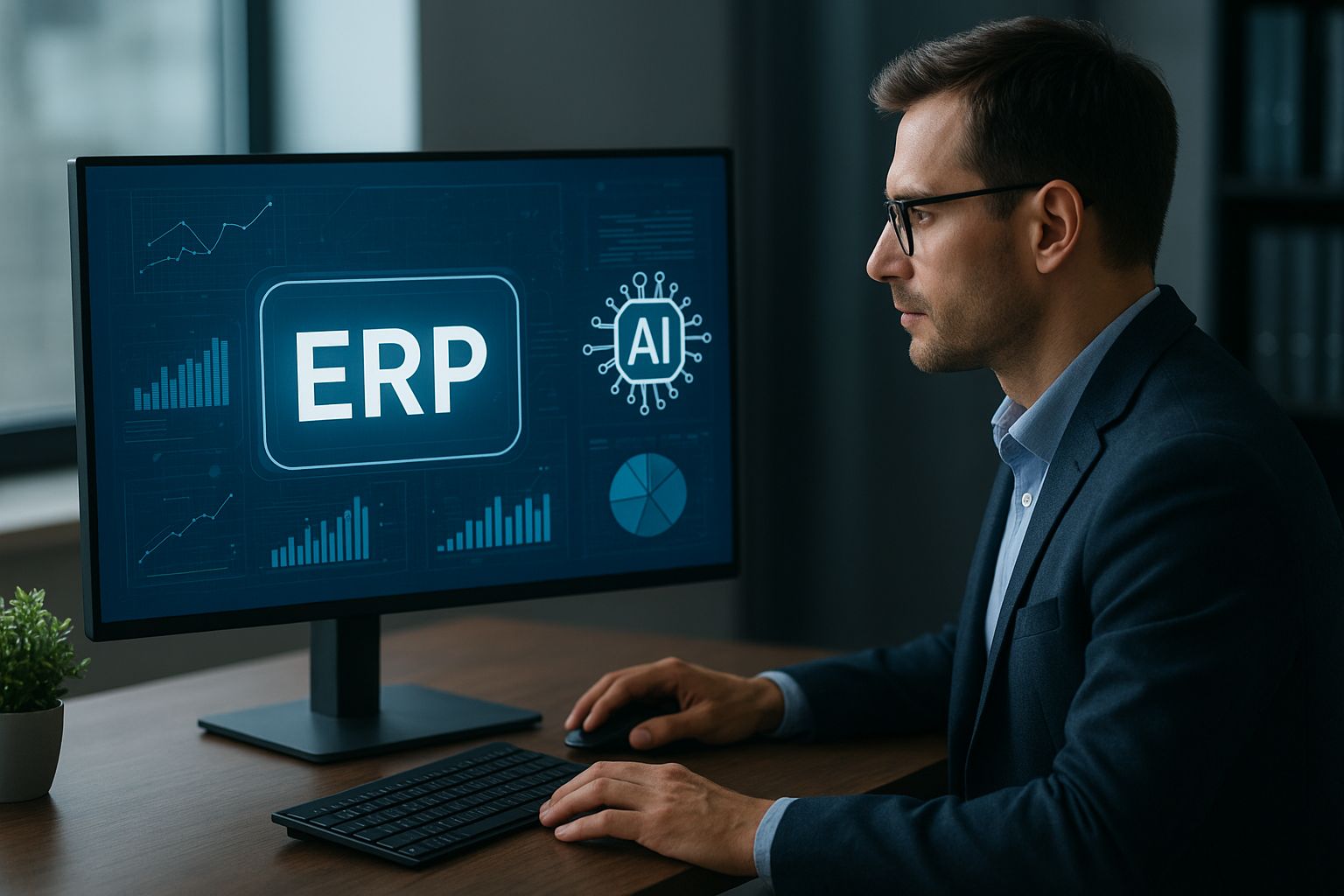
Enterprise Resource Planning (ERP) systems have traditionally served as the backbone for many corporations, integrating varied business processes into a unified system. However, the unprecedented pace of technological advancements demands that ERP systems evolve. One of the most transformative trends currently is the integration of Artificial Intelligence (AI) into ERP solutions, revolutionizing the way organizations manage resources and make business decisions.
AI integration into ERP systems is proving to be a game-changer by enhancing decision-making capabilities. Through AI, companies can perform predictive analysis and obtain valuable insights into market trends and consumer behavior, something that traditional ERP systems were not equipped to handle. For instance, a multinational using AI-enhanced ERP was able to optimize its supply chain process, reducing lead times by predicting demand spikes effectively.
Moreover, AI can significantly improve the accuracy and efficiency of data handling processes within ERP systems. By automating routine tasks and analyzing large data sets, AI algorithms can free up valuable human resources, allowing employees to focus on more strategic initiatives. A leading firm reported a 30% increase in productivity by employing AI to automate data entry and generate accurate financial reports more swiftly.
Compliance and risk management is another area where AI-enhanced ERP solutions add immense value. With ever-evolving regulations across sectors, AI can help organizations swiftly adapt to compliance changes by automatically updating procedures and alerting relevant departments. This potential reduces the risk of non-compliance and associated penalties, as demonstrated by a financial company that minimized compliance costs by integrating AI into their ERP system.
The potential benefits of AI-integrated ERP solutions are limitless, but businesses must strategically implement these systems to reap the rewards. It requires a paradigm shift in thinking and a commitment to investing in cutting-edge technologies. Proper training and change management practices are essential to ensure a smooth transition and full utilization of the system’s capabilities.
As AI continues to evolve and refine itself, the integration of AI technology in ERP systems will propel businesses into a new era of operational efficiency and strategic planning. Those at the forefront of adopting and integrating these technologies will not only increase their competitive edge but will redefine industry standards.
The impact of AI on ERP systems is not just a trend; it’s a strategic necessity. As organizations increasingly recognize and harness the power of AI, they will find themselves better positioned to navigate the complexities of modern business landscapes, ensuring sustained growth and innovation.

