


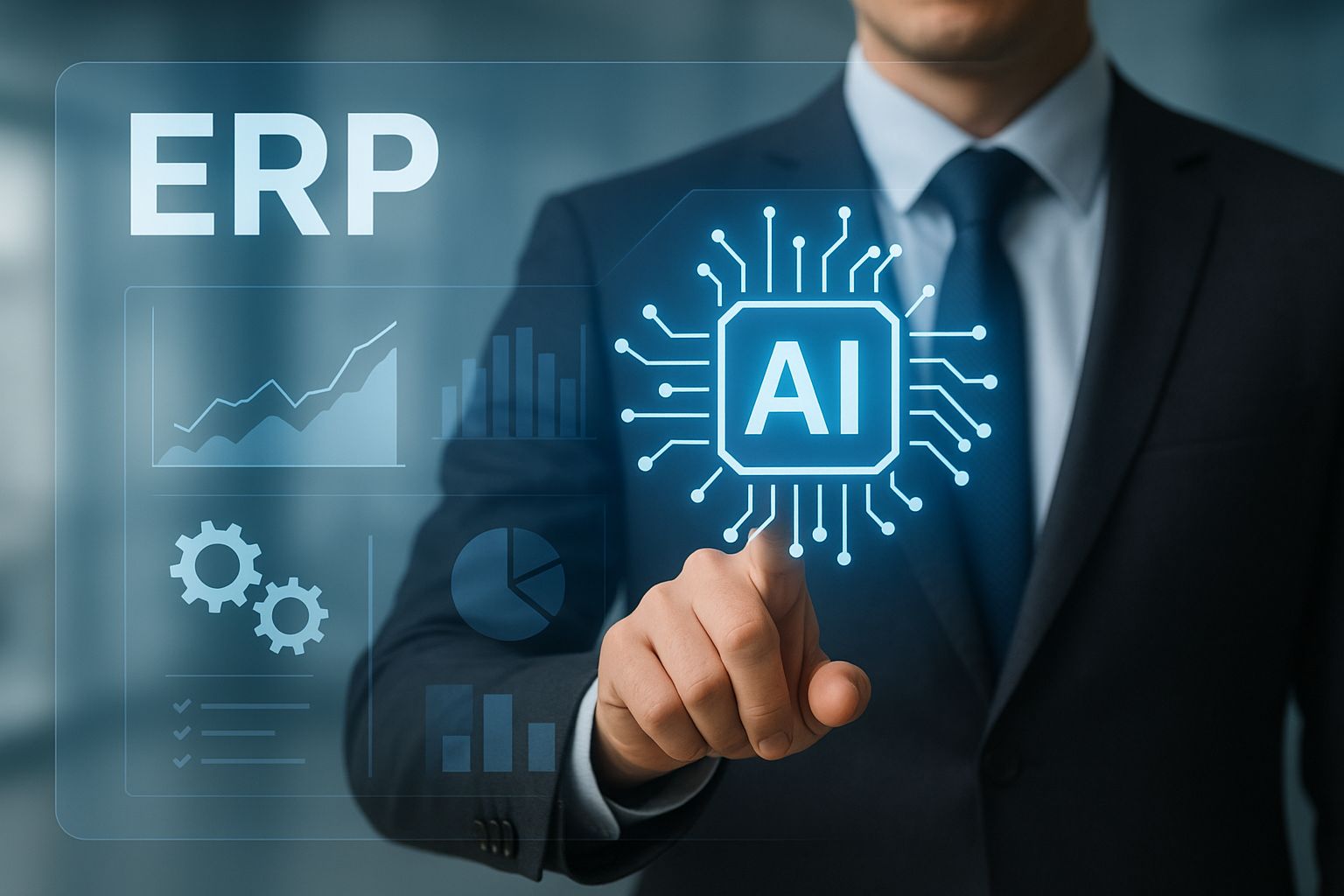
Enterprise Resource Planning (ERP) systems are undergoing a transformative evolution as AI-driven solutions gain rapid traction. Traditional ERP systems, which centralized business processes to streamline operations, are now being enhanced by artificial intelligence to offer unprecedented efficiencies and insights.
ERP systems with AI capabilities are providing businesses with powerful tools to predict market trends, optimize supply chains, and improve customer experiences. This analytical capability is empowering organizations to make data-driven decisions swiftly, fostering a competitive edge in an increasingly dynamic marketplace.
A prominent example comes from the manufacturing sector. A leading global manufacturer recently adopted an AI-enhanced ERP system, helping them analyze production data in real-time. This boosted their operational efficiency by over 20%, reducing waste and unexpectedly unearthing process bottlenecks that were previously undetectable with traditional systems.
Recent advancements have also been seen in customer relationship management (CRM) modules within ERP systems. By integrating AI, businesses can now offer personalized customer interactions by predicting preferences and tailoring services accordingly. This is particularly impactful in retail and service industries where customer satisfaction is paramount.
Despite these benefits, the integration of AI into ERP systems also introduces new challenges. Security concerns, data privacy issues, and the demand for specialized IT staff are hurdles companies need to address. Healthcare organizations, for instance, are particularly vigilant about data privacy due to stringent regulations like HIPAA. Their adoption of AI-driven ERP solutions includes robust cybersecurity measures to protect sensitive patient data.
Moreover, reports indicate a growing demand for ERP solutions tailored to specific industries, a move that underscores the importance of customization in AI deployments. Custom ERPs not only align closely with business needs but also significantly enhance user adoption and system efficacy.
Businesses eager to adopt AI-enhanced ERP solutions must prioritize vendor selection, focusing on those offering robust support and continuous updates. This ensures the system remains relevant as technology evolves. Furthermore, strategic implementation is critical, emphasizing employee training to maximize the benefits of these sophisticated tools.
The integration of AI with ERP systems is undoubtedly a game-changer, heralding a new era of business operations marked by efficiency, adaptability, and innovation. As more businesses embark on this digital transformation journey, maintaining a balance between technological innovation and practical application will be crucial for sustained success.

