

Enterprise Resource Planning (ERP) systems have become a backbone for modern businesses seeking to integrate various functions like finance, HR, manufacturing, and supply chain management. However, the journey to a successful ERP implementation is rife with challenges that require strategic planning and execution.
One of the primary challenges faced by companies today is the alignment of ERP solutions with business processes. As firms grow and evolve, the complexity of their operations increases, making it difficult to fit a one-size-fits-all ERP solution into their unique needs. Customization is often necessary, but it can be costly and time-consuming. Decision-makers must weigh the benefits of tailoring a solution against potential delays and budget overruns.
Change management is another critical factor. Staff resistance to new technology can derail even the best-laid ERP implementation plans. Companies must invest in training and change management strategies to ensure employees are comfortable and proficient with new systems. Engaging staff early in the implementation process, seeking their input, and addressing their concerns can facilitate smoother transitions.
According to a survey by Deloitte, over 70% of ERP projects exceed their estimated timeline and budget. A real-life example from my previous work experience involved a large manufacturing firm that underestimated the complexity of integrating their legacy systems with a new cloud-based ERP solution. The oversight led to a delay of six months and additional costs of over a million dollars. Successfully mitigating such risks requires a comprehensive assessment of current systems and a phased approach to implementation.
Moreover, data migration remains a formidable task in ERP implementations. Ensuring data accuracy, validation, and migration from old systems to the ERP platform demands meticulous planning and execution. Companies must create a detailed data migration plan that includes data cleansing and validation processes to prevent potential disruptions.
Finally, businesses must address the ongoing support and maintenance of their ERP systems. An ERP system is not a one-time investment but a continual process of improvements and updates. As technology evolves, keeping the ERP solution current can leverage the latest functionalities and ensure compliance with industry standards.
In overcoming these challenges, companies position themselves to harness the full benefits of ERP solutions, including increased efficiency, real-time data access, and improved decision-making capabilities. By focusing on these critical areas, businesses can navigate the complex ERP landscape with confidence and success.
Estimated reading time: 2 minutes, 2 seconds
Navigating the ERP Landscape: Overcoming Implementation Challenges in Today's Business Environment Featured
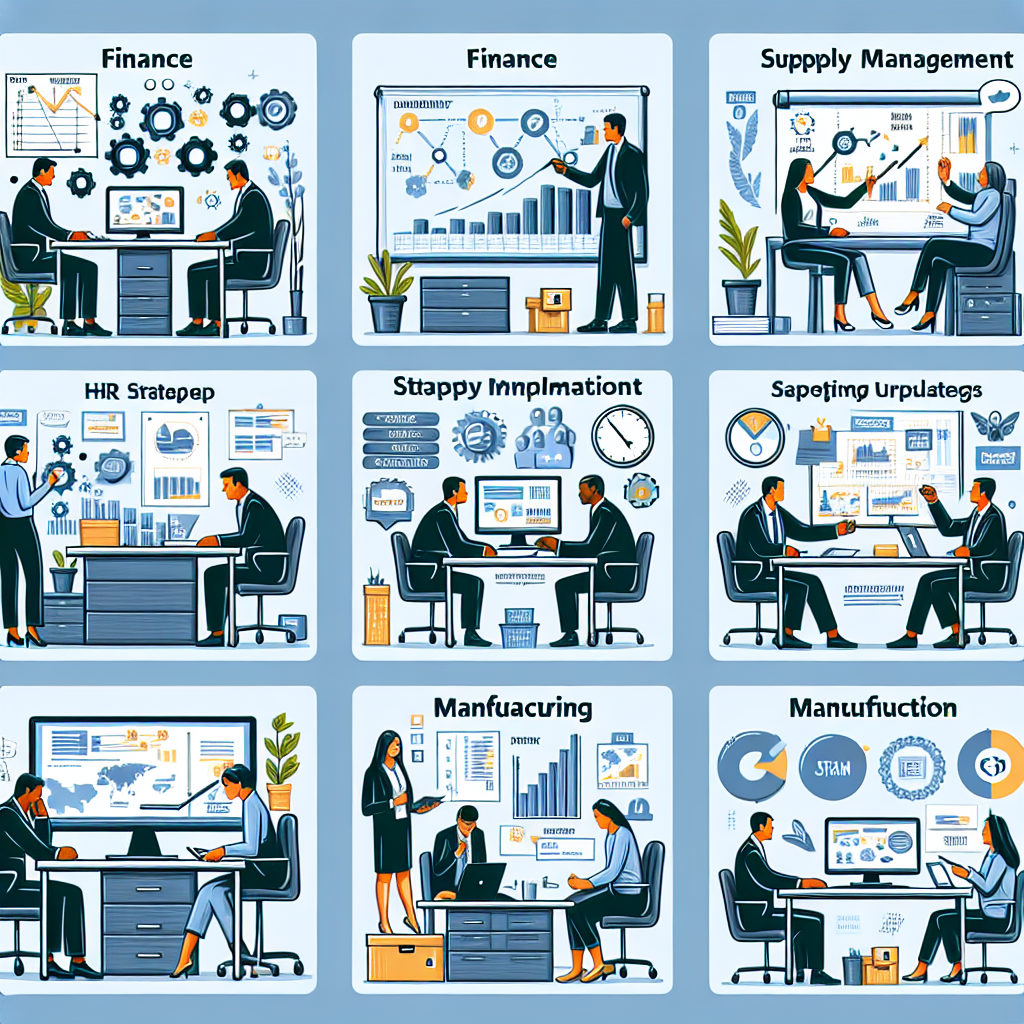 Explore the challenges and strategies for successful ERP implementation in today's business environment. Understand the importance of customization, change management, and risk mitigation in harnessing ERP benefits.
Latest from ERP Global Insights
- Rising Trends in ERP Systems: Enhancing Business Agility
- Anticipating Shifts in Modern ERP Systems: A Look at Recent Trends
- The Impact of AI-Powered ERP Systems on Business Agility
- The Rise of Cloud-Based ERP Systems: A Game Changer in Business Management
- Revolutionizing ERP Systems: The Newest Product Innovations
Most Read
-

-
May 19 2021
-
Written by BobWScott
 Just what kind of year has it been for the…
-
-

-
May 22 2017
-
Written by mark
The last year has been one of change—the cloud has…
-
-
-
May 22 2017
-
Written by BobWScott
The last year has been one of change—the cloud has…
-
-
-
May 25 2016
-
Written by mark
Annual Report: 2016 BSI Top 100 VARs The web has…
-